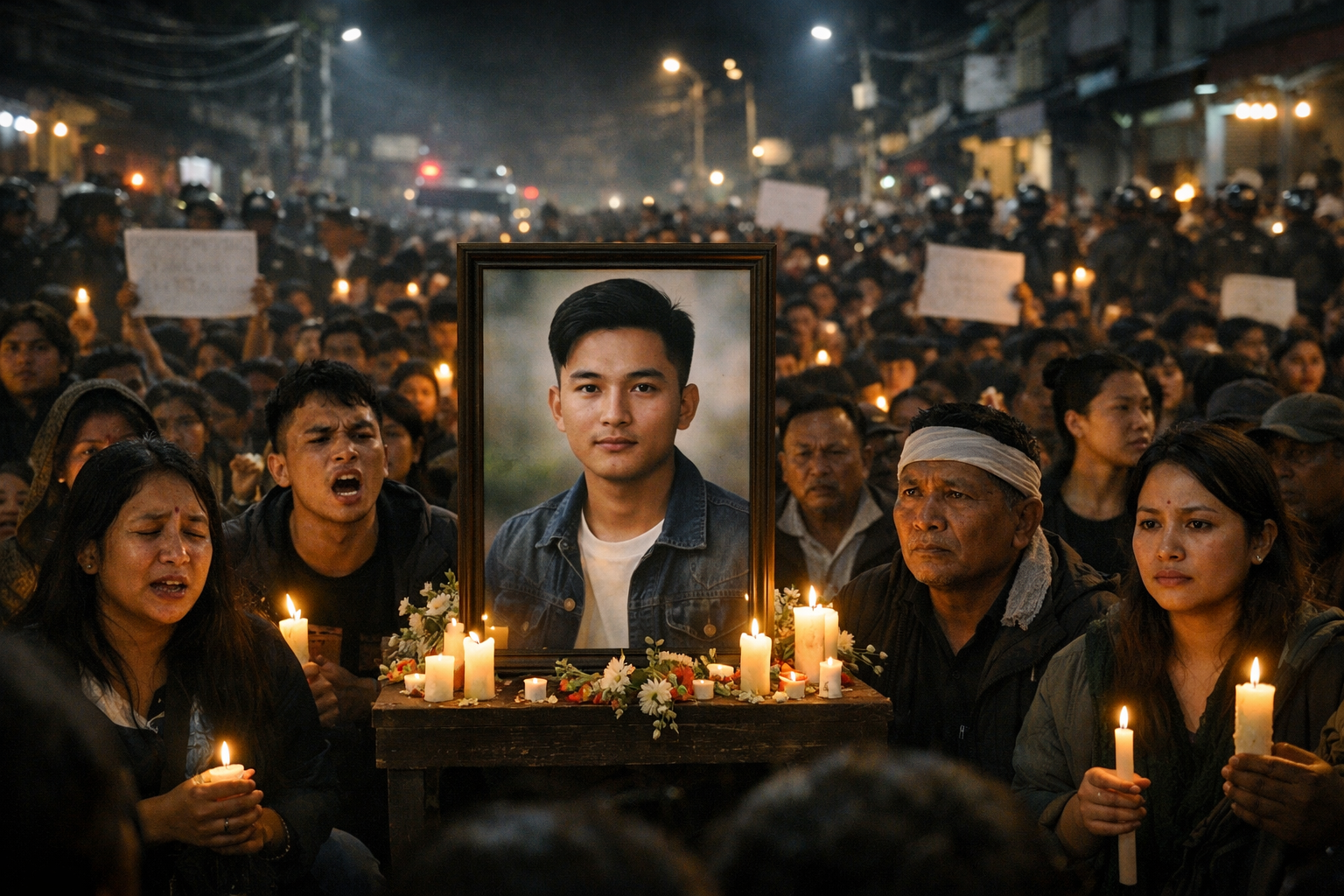
 The tragic murder of Angel Chakma, a 24-year-old student from Tripura studying in Dehradun, has shaken the nation. What began as heartbreaking news has now turned into a powerful public movement. Across Tripura, students, civil society groups, community leaders, and ordinary citizens are protesting, demanding justice for Angel and accountability from the authorities.
This incident is not just about one student. It has reopened deep wounds related to racial discrimination, identity-based violence, and marginalization of people from India’s Northeast. Many are calling Angel’s case a painful reminder of the persistent challenges Northeastern communities face in mainland India.
Who Was Angel Chakma?
-
A 24-year-old student from Tripura
-
Studying in Dehradun, Uttarakhand
-
Belonged to the Chakma community, a minority group
-
Known for being hardworking and ambitious
Angel left home with dreams, education goals, and hopes of a better future. Instead, his life was brutally cut short. His death has left his family shattered and his community deeply hurt.
Why Are People Protesting?
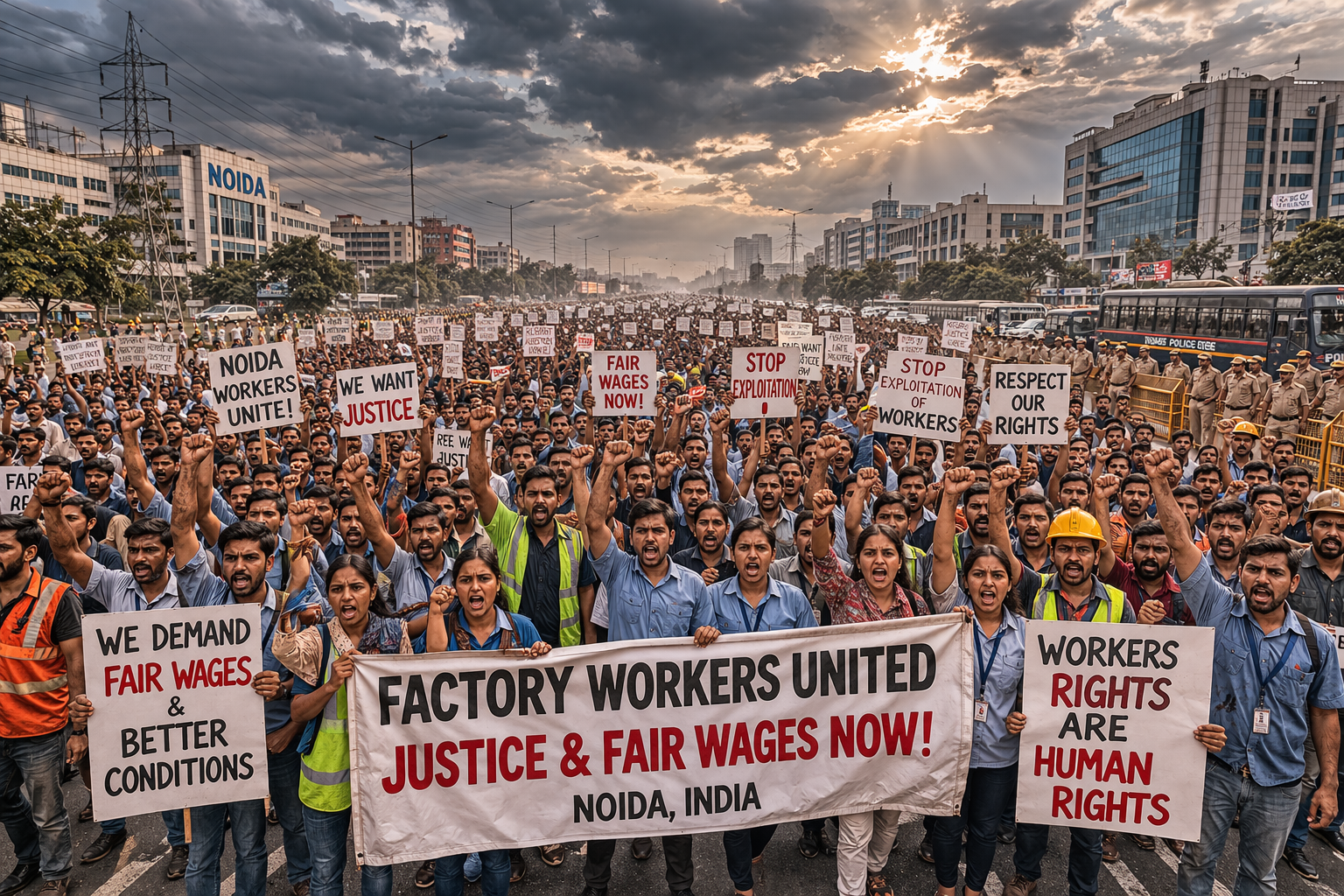
Protests erupted in Tripura soon after news of Angel’s murder spread. The demonstrations are emotional, powerful, and filled with anger, grief, and frustration.
People are protesting because:
-
They want justice for Angel.
-
They want fair investigation and strict punishment for the culprits.
-
They want recognition of the racial discrimination Northeastern people face regularly.
-
They want the government to acknowledge systemic issues instead of treating this as an isolated event.
For many, Angel’s death symbolizes years of silent suffering faced by Northeastern students and workers across India.
Highlighting Racial Discrimination Faced by Northeastern Communities
The outrage is not only about the murder. It is also about how people from the Northeast are often treated in different parts of India.
The video discussing Angel’s case highlights:
-
Northeastern individuals being stereotyped based on appearance and culture
-
Insults and racist remarks becoming “normal” experiences for many
-
People being treated like outsiders in their own country
-
A feeling of being misunderstood, marginalized, and judged
People from the Northeast frequently report being called derogatory names, questioned about their “Indianness,” or viewed with suspicion because of their looks or language. This discrimination is not new. It has been happening for decades.
A Recurring Issue: Ethnic and Identity-Based Violence
Angel’s case is sadly not the first incident linked to identity and racial bias. There have been multiple past incidents where Northeastern individuals faced violence, mockery, or humiliation.
Over the years, various reports and testimonies have pointed out:
-
Harassment in educational institutions and workplaces
-
Physical assaults and hate crimes
-
Housing discrimination in big cities
-
Social exclusion and cultural misunderstanding
Incidents in places like Delhi and other metropolitan cities have previously opened similar debates. Yet, each time, the outrage fades, and little changes. That is why Angel’s murder feels like the breaking point for many.
Political Sensitivity and Silence Around the Issue
The speaker in the video also highlights the political sensitivity surrounding this topic. Discussions about racial discrimination against Northeastern communities often remain suppressed or avoided. Political leaders sometimes hesitate to speak openly, fearing backlash, controversy, or tension.
Communities from the Northeast have long complained about:
-
Lack of political voice
-
Underrepresentation in national conversations
-
Being viewed as peripheral rather than integral to India
-
Policies that overlook their concerns and lived realities
This silence adds to the hurt. When discrimination happens and leaders fail to strongly condemn or address it, it deepens a sense of isolation.
Tripura’s Strong Response: Unity and Anger Together
Tripura has responded with strength, unity, and determination.
Across the state, people are:
-
Organizing peaceful rallies
-
Carrying placards demanding justice
-
Calling for fair investigation
-
Expressing emotional solidarity with Angel’s family
Student bodies, social organizations, and community groups are standing together, stating that Angel’s life cannot simply become another forgotten headline.
The protests are not only about justice in the courtroom but justice in society.
The Larger Question: Are Northeastern Lives Valued Equally in India?
One of the biggest concerns raised is whether Northeastern lives are given equal importance. Many people feel that crimes against Northeastern individuals do not always receive the same national attention as others.
This raises tough questions:
-
Why do Northeastern students constantly feel unsafe away from home?
-
Why do stereotypes continue despite decades of awareness efforts?
-
Why does institutional support often come too late?
-
Why isn’t there strong national outrage every time such discrimination happens?
These questions reflect systemic gaps that must be addressed.
Awareness, Education, and Systemic Change Are Needed
The video discussing Angel’s murder strongly calls for awareness and long-term action. Protests are powerful, but real change requires deeper efforts.
India needs:
-
Stronger anti-discrimination laws and strict enforcement
-
Better awareness programs in schools, colleges, and workplaces
-
Cultural education that teaches respect for diversity
-
Support systems for Northeastern students living away from home
-
Clear political acknowledgment that discrimination exists and must end
Change begins when society recognizes the problem instead of denying it.
Media Responsibility: More Than Just Headlines
Another important aspect is media responsibility. Many people believe mainstream media often underplays issues related to the Northeast unless massive protests force attention.
Responsible journalism should:
-
Highlight voices from affected communities
-
Avoid sensationalism
-
Provide context about historical discrimination
-
Keep pressure on authorities for justice
Media narratives shape national understanding, and ignoring such issues contributes to continued marginalization.
A Moment for National Reflection
Angel Chakma’s death is tragic. But it has also become a mirror reflecting uncomfortable truths about discrimination and identity in India. It challenges the idea of unity if a section of citizens constantly feels unsafe, unheard, or disrespected.
This is a moment for India to reflect and ask:
-
What kind of society do we want to be?
-
Can a nation truly progress if some citizens live in fear?
-
Is “unity in diversity” just a slogan or a lived reality?
True justice for Angel means not only punishing those responsible but ensuring that no other Northeastern student suffers the same fate.
Conclusion: Justice for Angel, Respect for All Communities
The protests in Tripura are powerful, emotional, and justified. They are not just about one crime; they are about dignity, equality, and human rights.
Angel’s murder must not fade into silence. It must become a turning point.
India must stand together to:
-
Demand justice for Angel
-
Fight racial discrimination
-
Protect Northeastern communities
-
Build a nation where every citizen feels safe
Angel deserved a future. His life now stands as a call for change.