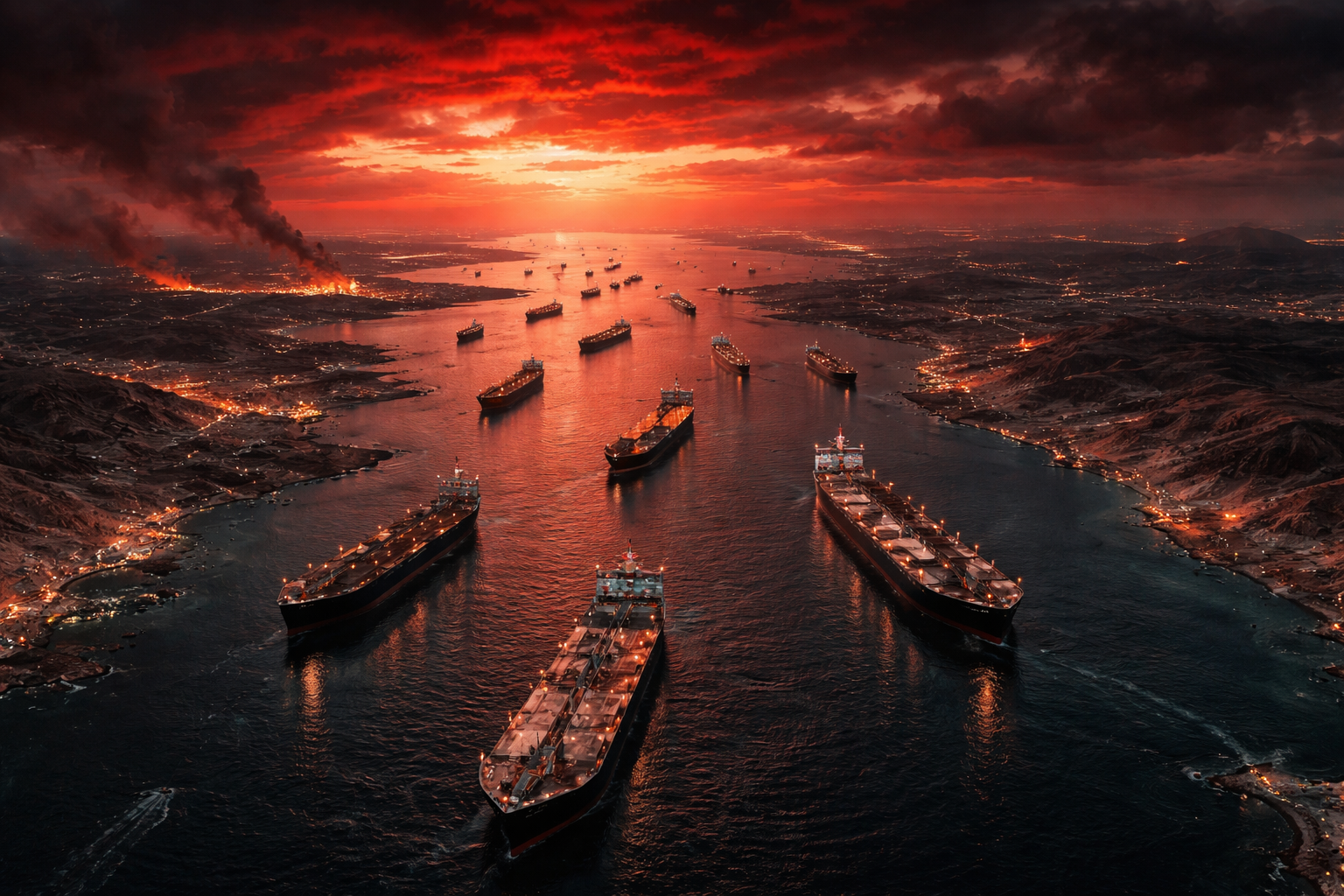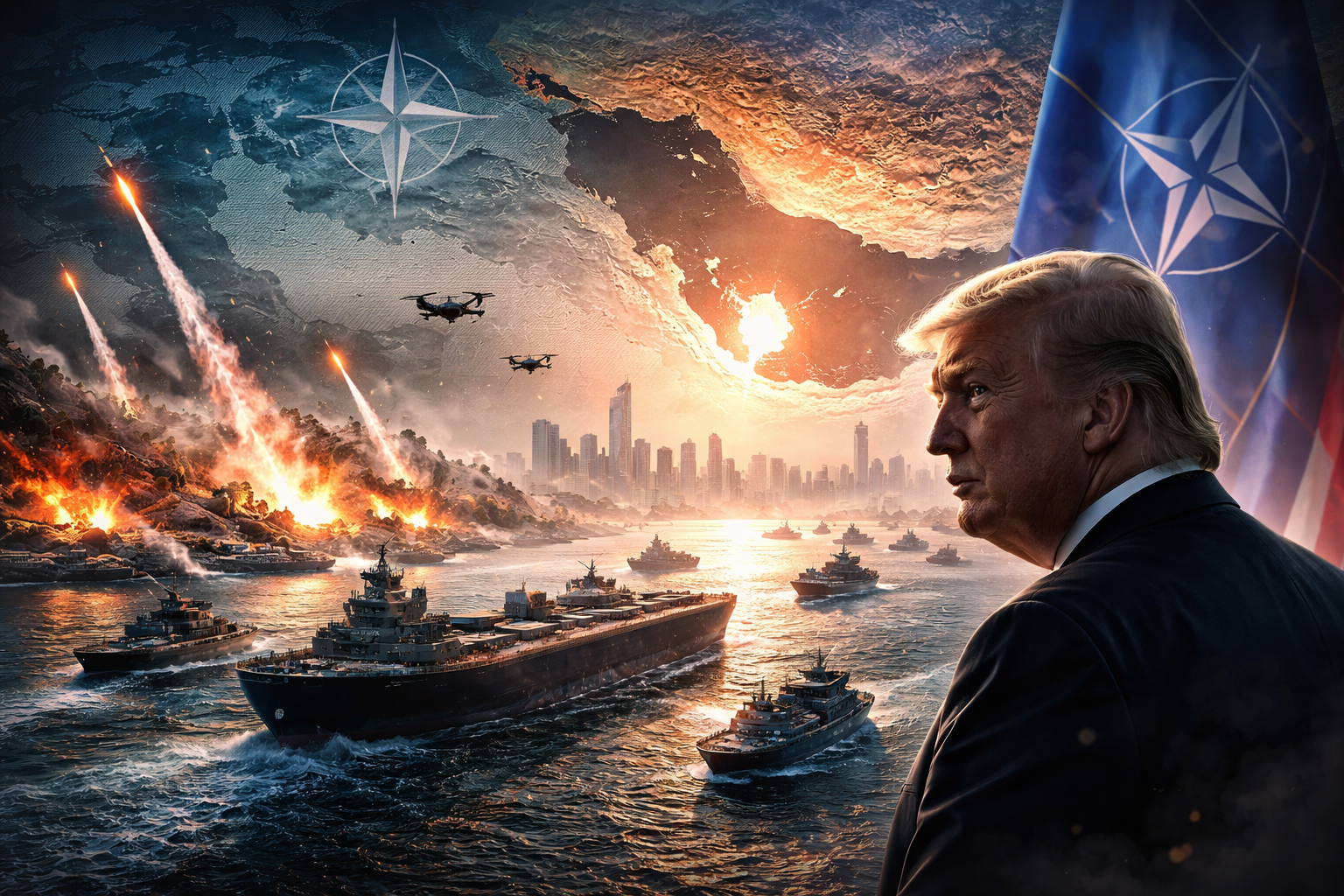
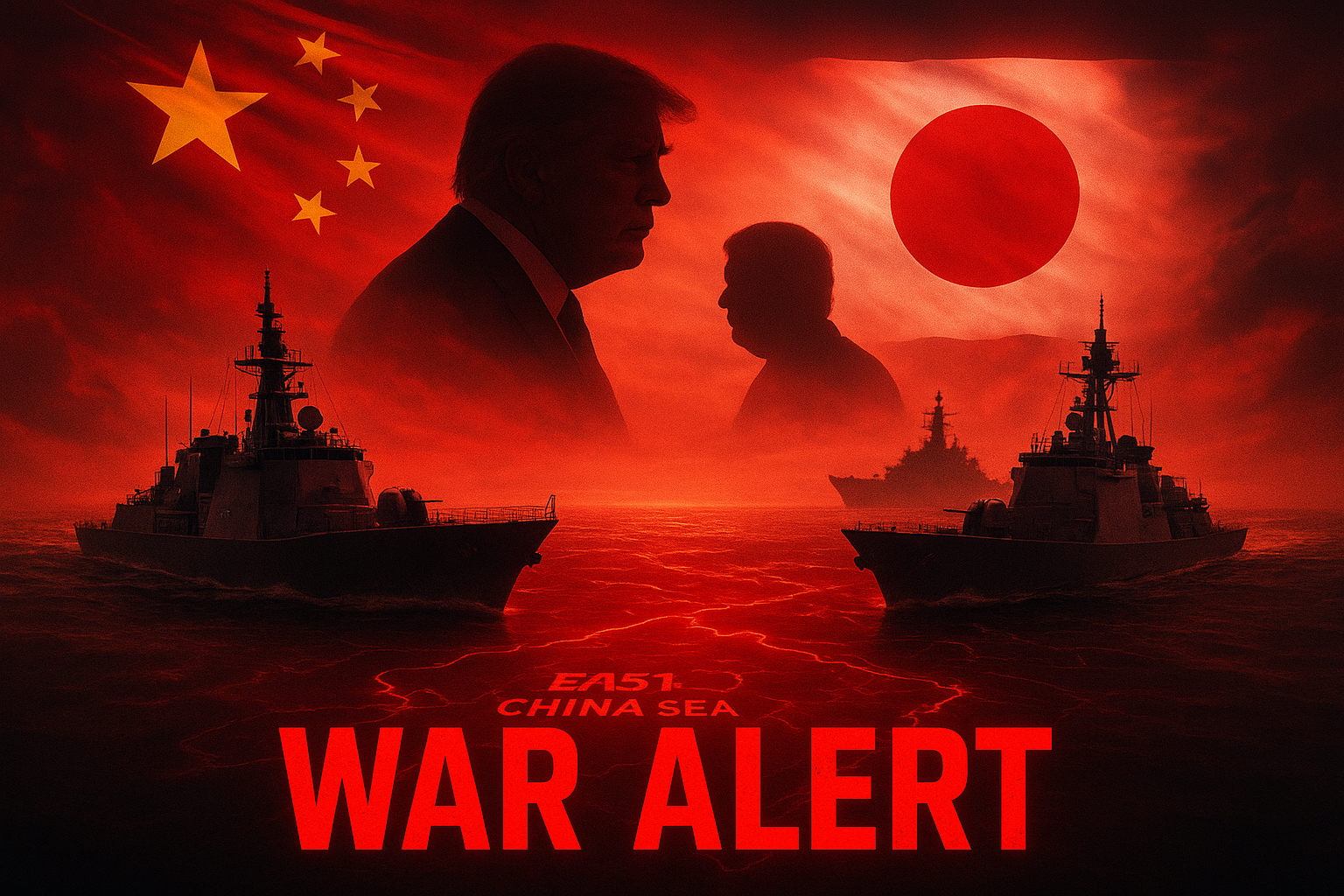
 Tensions between China and Japan have reached a dangerous level. Military movements, economic retaliation, travel bans, and sharp diplomatic statements are shaping a new crisis in East Asia. At the center of this conflict lies one small but strategically important region — the Senkaku Islands.
In this article, we break down the crisis in simple, clear points:
-
Why China and Japan are near a war-like situation
-
How tourism bans have shaken Japan’s economy
-
Why Japan banned Chinese films
-
Japan’s unexpected nuclear policy rethink
-
Who will support whom if war breaks out — especially Trump’s United States and India
Let’s dive in.
1. Why China–Japan Tensions Are at a Near-War Level
The biggest reason for the current tension is simple: territorial disputes + military posturing.
China has increased naval and air force activity around the Senkaku Islands, which Japan controls but China claims as its territory (as “Diaoyu Islands”).
Japan believes China is trying to slowly change the status quo through military presence.
China believes Japan is illegally occupying Chinese land.
Both sides have:
-
Warships in the East China Sea
-
Air Force patrol clashes
-
Coast guard confrontations
-
Surveillance drones monitoring each other
This has created a high-risk situation where even a small miscalculation could trigger a conflict.
2. Japan’s Economy Hit Hard: China Cancels 500,000 Travel Tickets
Japan depends heavily on foreign tourism — especially Chinese visitors.
Tourists from China contribute billions of dollars every year to Japan’s:
-
Hotels
-
Restaurants
-
Shopping
-
Local travel
-
Theme parks
-
Luxury markets
But now, China has reportedly canceled around 500,000 travel tickets to Japan.
The impact is severe:
-
Japan’s tourism earnings drop
-
Airlines lose money
-
Hotels see cancellations
-
Retail shops in Tokyo and Osaka get fewer customers
-
Japanese yen remains under pressure
For Japan, this is more than politics — it’s an economic shock.
China knows the importance of tourism for Japan, and this move is being seen as a strategic economic pressure tactic.
3. Japan Bans Chinese Films — Cultural War Begins
In response to China’s actions, Japan has reportedly stopped screening Chinese films.
This is not a small step. Movies and entertainment are powerful soft-power tools.
By banning Chinese films:
-
Japan signals cultural resistance
-
Japanese studios avoid promoting Chinese content
-
The entertainment relationship between the two nations drops to the lowest level in years
This is now more than a territorial dispute —
It is becoming a full-scale cultural and economic rift.
When two major countries stop cultural exchange, it usually means political trust is near zero.
4. Japan Reconsiders Nuclear Policy — A Historic Shift
This is the most shocking development in the crisis.
Japan has always been known as the world’s leading anti-nuclear nation, with memories of Hiroshima and Nagasaki shaping its policies for decades.
But the current situation has changed Japan’s thinking.
Japan is now reconsidering its nuclear stance.
Some Japanese leaders and strategic analysts say:
“If Japan is attacked, the country must be ready to respond with nuclear force.”
This is a big shift for Japan’s defense strategy.
What does this mean?
-
Japan may seek stronger nuclear alliances
-
Japan may allow U.S. nuclear weapons to be deployed more openly
-
Japan may support nuclear sharing agreements like NATO
-
Japan wants to send a clear warning to China
For China, this is alarming.
For the world, it is a historic moment — Japan is no longer following a purely defensive posture.
5. Senkaku Islands: The Core of the Conflict
The Senkaku Islands are small, uninhabited, and rocky — but extremely important.
Why?
Strategic Value
-
Located near key shipping routes
-
Close to Taiwan
-
Near major energy reserves
-
Military-control advantage in East China Sea
Political Importance
Japan administers the islands and calls them clearly Japanese territory.
China claims them historically and wants control.
Both nations see the islands as a symbol of national pride.
Recent Developments
Japan has warned China not to attempt any takeover of these islands.
Japanese defence officials say:
“If China enters forcefully, Japan will respond militarily.”
China has increased patrols and has not backed down.
This makes the Senkaku Islands the flashpoint that could trigger a war.
6. If War Happens — Who Will Support Whom?
This is the most important question for global geopolitics.
Let’s break it down nation by nation.
6.1 Will the United States Support Japan?
If Donald Trump returns to leadership or plays an influential role, his stance will matter.
Trump’s Position
Trump has always been tough on China — trade, military, technology, alliances.
He is expected to:
-
Support Japan strongly
-
Strengthen Indo-Pacific alliances
-
Pressure China economically
-
Send U.S. Navy support to Japan if needed
Trump prefers transactional diplomacy, but he also sees China as America’s biggest rival.
So in any conflict, the U.S. — whether under Trump or any other leader — will support Japan militarily and diplomatically.
The U.S.–Japan security treaty legally obligates America to defend Japan.
So the answer is clear:
America will side with Japan.
6.2 Will India Support Japan or China?
India’s position is strategic and based on national interests.
Why India Might Support Japan
-
India and Japan share strong defence ties
-
Japan invests heavily in India (Metro projects, tech, manufacturing)
-
Both countries want to balance China’s power
-
India also has border issues with China
-
Quad alliance (India–Japan–US–Australia) supports Japan
In a crisis, India will likely:
-
Give diplomatic support to Japan
-
Strengthen naval cooperation
-
Share intelligence
-
Support Indo-Pacific security initiatives
Why India Won’t Support China
-
China supports Pakistan
-
Ongoing border tensions in Ladakh
-
China blocks India’s global ambitions at UNSC
-
China’s influence in Indian Ocean worries India
So India’s support is clear and predictable:
India will support Japan — politically, diplomatically, and strategically.
7. What Happens Next? Possible Scenarios
Here are the likely directions this crisis could take:
Scenario 1: Controlled Tensions
Both countries avoid war but continue military patrols and warnings.
Scenario 2: Limited Clash
A small clash at sea or air could occur, causing global shock.
Scenario 3: U.S. Intervention
If China escalates, the U.S. will enter in support of Japan.
Scenario 4: Diplomatic Freeze
Tourism, trade, culture — everything stops as relations hit their worst level.
Scenario 5: Global Economic Impact
Any conflict in East Asia will shake global markets, supply chains, oil prices, and tech industries.
8. Conclusion
The China–Japan tension is no longer just a regional dispute.
It is becoming a global issue involving the U.S., India, and other Indo-Pacific partners.
Key takeaways:
-
Military activity around the Senkaku Islands is increasing
-
China’s tourism ban has hit Japan’s economy
-
Japan banning Chinese films shows deep cultural tensions
-
Japan’s nuclear rethink is historic and alarming
-
If war happens, the U.S. and India will support Japan
The world is watching the East China Sea — because one small mistake could change global geopolitics forever.