 Global tensions are rising as the situation around the Strait of Hormuz becomes more sensitive.
With the ongoing concerns linked to Iran and regional instability, the world is watching closely.
India has now taken a major step.
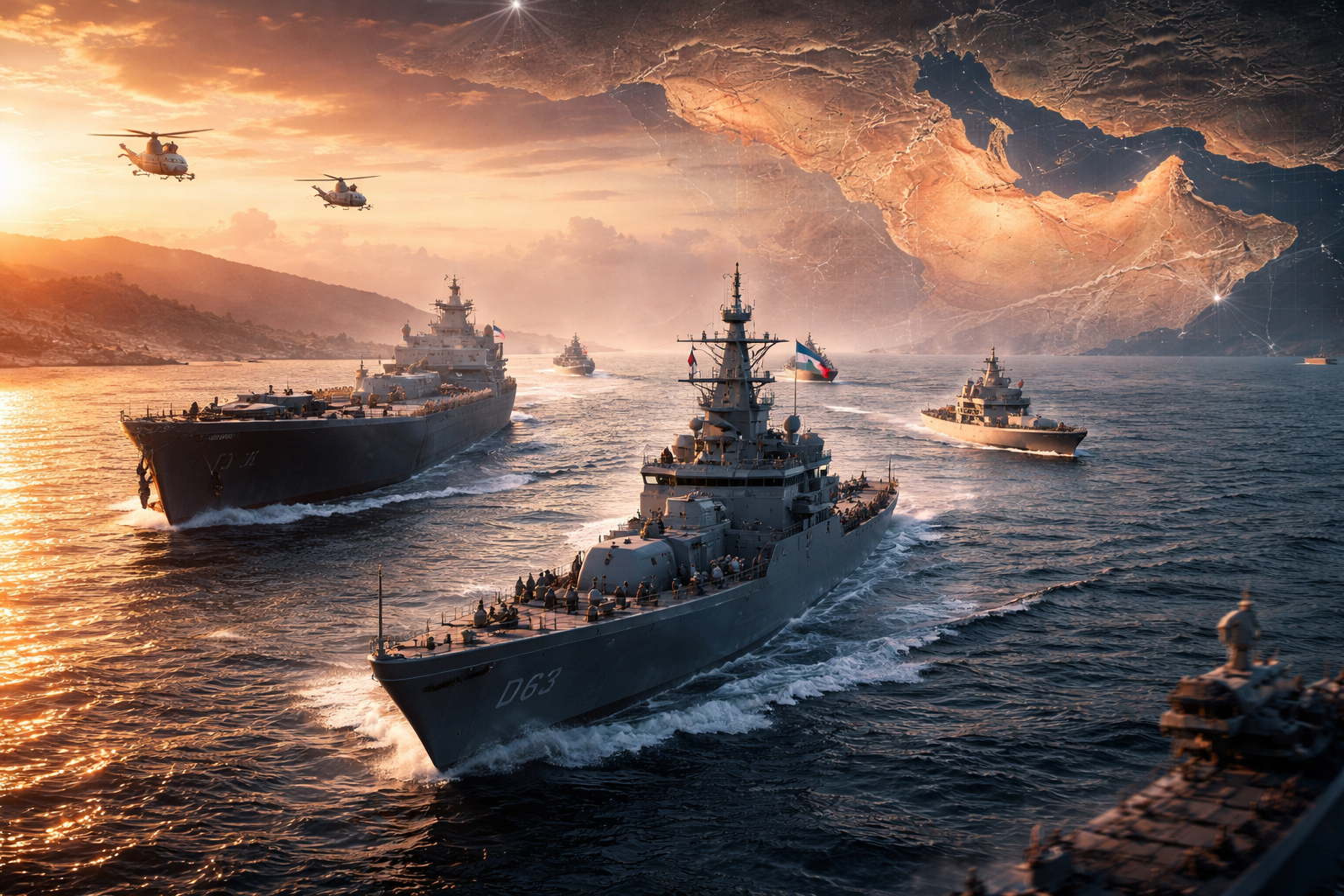
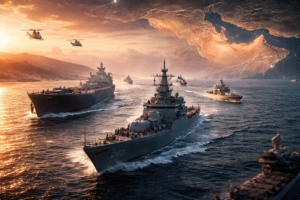
The government has decided to send warships to protect fuel shipments and secure trade routes.
This move highlights how serious the situation has become.
Why the Strait of Hormuz Matters
The Strait of Hormuz is one of the most important waterways in the world.
It connects the Persian Gulf to the open ocean.
Key facts:
-
Nearly 20% of global oil supply passes through this route
-
Major oil exporters depend on it
-
Any disruption can impact fuel prices worldwide
Countries like India, China, and European nations rely heavily on this route.
Even a small conflict here can create global economic shockwaves.
Rising Tensions Around Iran
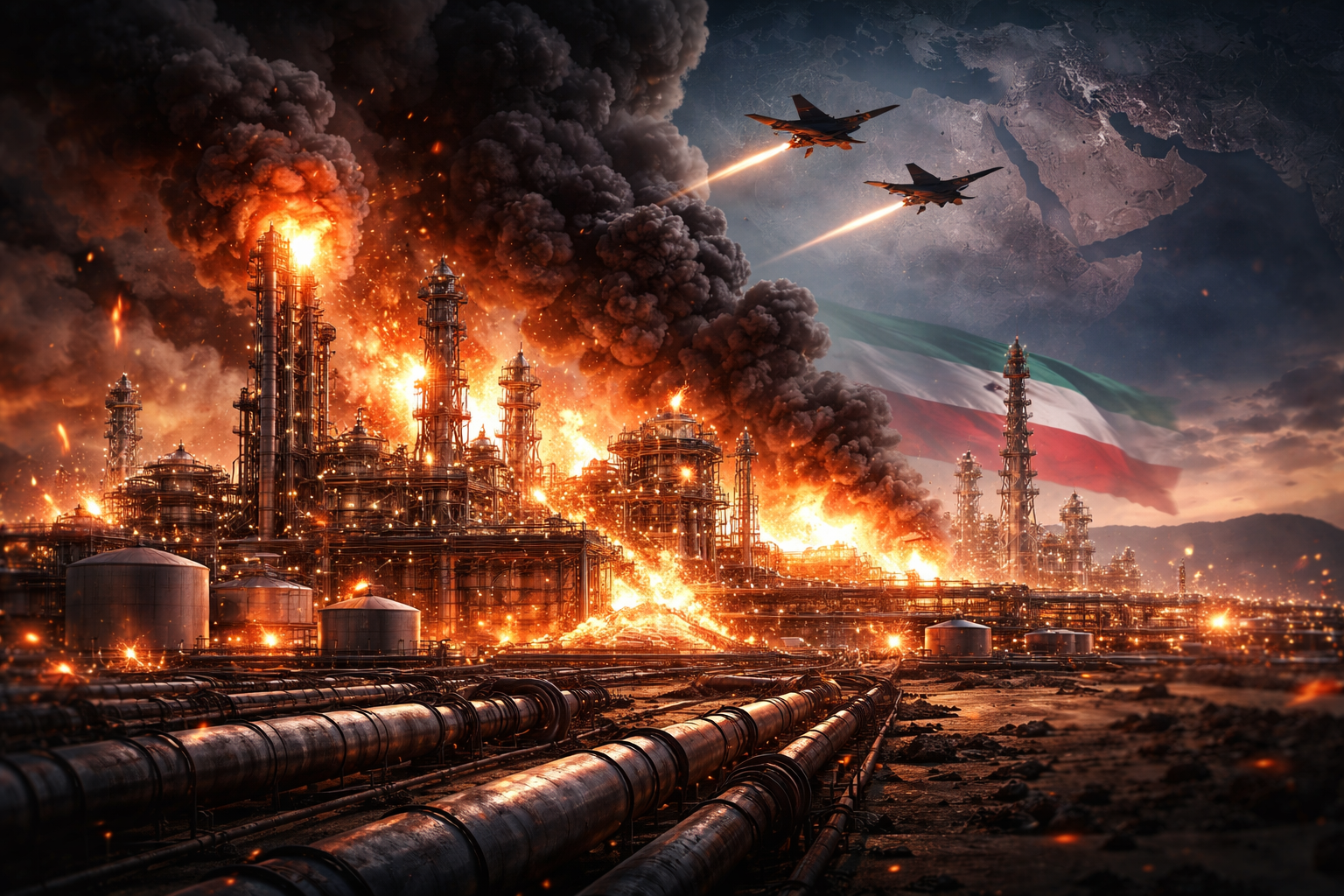
Tensions involving Iran have increased concerns in the region.
Military activities and threats have made shipping companies nervous.
Oil tankers passing through the region face potential risks such as:
-
Attacks or seizures
-
Drone threats
-
Naval confrontations
Because of this, many countries are stepping up their security presence.
India’s Strategic Move
India has responded quickly.
The Indian Navy has deployed warships to:
-
The Gulf of Oman
-
The Arabian Sea
Mission Objective
The main goal is simple:
➡️ Escort fuel ships safely through high-risk areas
This ensures that energy supplies reach India without disruption.
Operation Reanne: Back in Action
India has revived its naval mission called Operation Reanne.
Background:
-
First launched in 2019
-
Created to protect Indian vessels during Gulf tensions
-
Successfully escorted hundreds of ships
Now, the mission is active again due to rising risks.
What it means now:
-
Increased naval patrols
-
Warships accompanying oil tankers
-
Constant monitoring of threats
This shows India is not taking any chances.
Why India Is Taking This Step
India depends heavily on imported oil.
A large portion comes from the Middle East.
Key reasons behind the move:
1. Energy Security
India must ensure uninterrupted fuel supply.
2. Economic Stability
Any delay or disruption can increase fuel prices.
3. Protecting Trade Routes
Safe shipping lanes are critical for global trade.
Global Impact of the Situation
The situation is not just about India.
It affects the entire world.
Possible consequences:
-
Rising oil prices
-
Increased shipping insurance costs
-
Delays in global supply chains
Countries across the globe are closely monitoring developments near the Strait of Hormuz.
Role of the Indian Navy
The Indian Navy is playing a crucial role.
Key responsibilities:
-
Escorting oil tankers
-
Monitoring suspicious activities
-
Responding to emergencies
Indian warships are equipped with advanced surveillance systems.
They can detect and respond to threats quickly.
What Experts Are Saying
Security experts believe this is a necessary move.
They say:
-
The risk level in the region is high
-
Naval presence can deter attacks
-
Escort missions increase confidence for shipping companies
This step also strengthens India’s position as a responsible global power.
Impact on Oil Prices in India
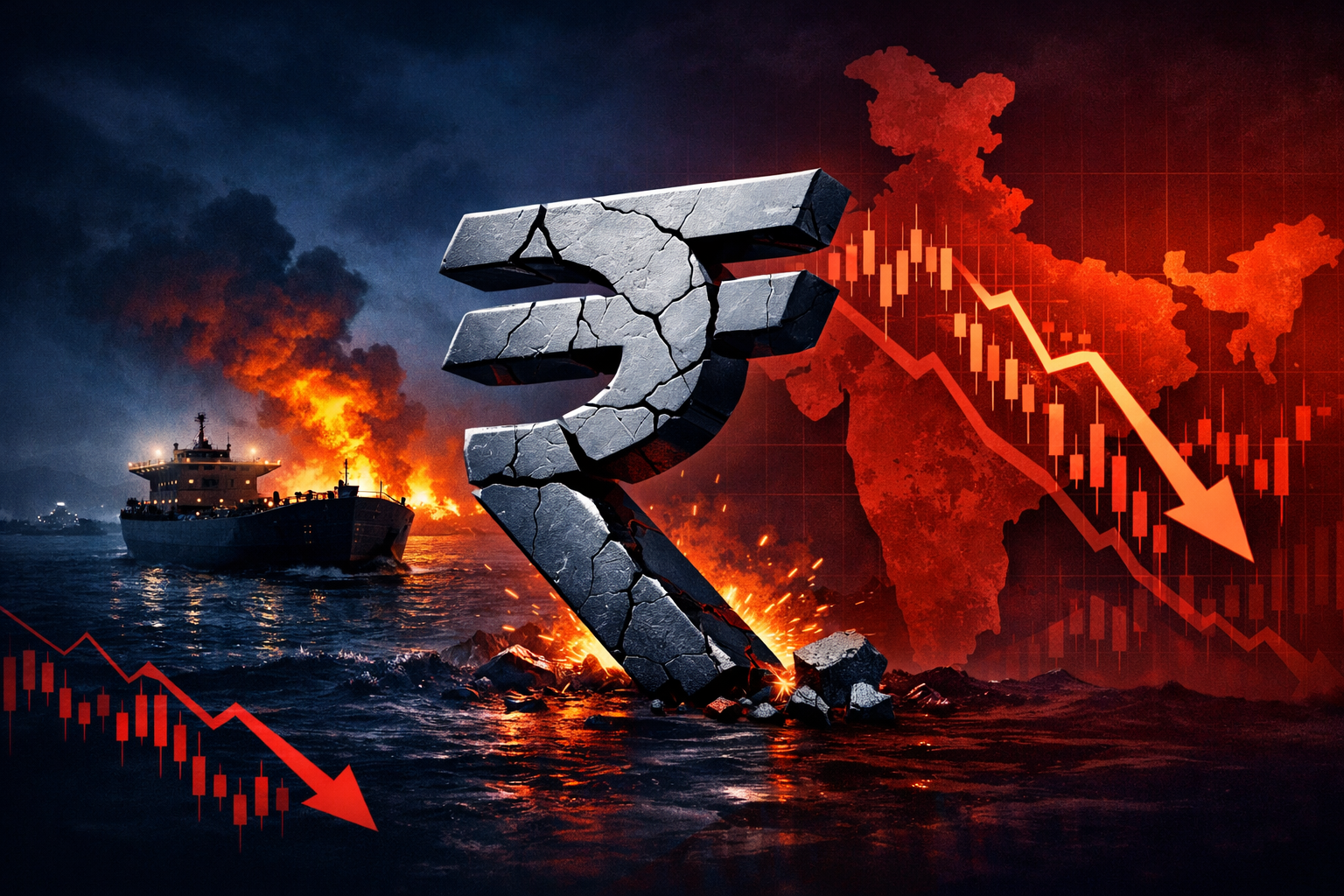
The situation could affect fuel prices in India.
If tensions rise:
-
Crude oil prices may increase
-
Petrol and diesel prices could go up
-
Inflation may be impacted
However, India’s proactive move may help reduce risks.
How This Affects Common People
You may wonder how this impacts daily life.
Here’s how:
-
Fuel prices affect transportation
-
Higher costs can increase prices of goods
-
Economic stability depends on energy supply
So, this naval deployment indirectly impacts everyone.
International Reactions
Many countries are taking similar steps.
-
The United States has increased its naval presence
-
European nations are monitoring the situation
-
Asian countries are also on alert
The focus remains on keeping the Strait of Hormuz open and secure.
Future Outlook
The situation remains uncertain.
Possible scenarios:
-
Tensions may ease with diplomatic talks
-
Military presence may increase further
-
Global oil markets may stay volatile
India is preparing for all possibilities.
Conclusion
India’s decision to send warships near the Strait of Hormuz is a strong and strategic move.
By reactivating Operation Reanne, the country is ensuring:
-
Safe fuel transportation
-
Stable energy supply
-
Protection of national interests
As tensions continue, India’s proactive approach may help avoid major disruptions.
The world will continue to watch this critical region closely.