
 The Middle East is once again at the center of global attention. A major escalation has taken place after Israel reportedly launched an attack on Iran’s South Pars gas field — one of the most important energy sites in the world.
This move has not only increased tensions in the region but has also triggered a strong response from former U.S. President Donald Trump.
In this article, we break down what happened, why South Pars matters so much, and what this could mean for the world.
What Happened at South Pars?
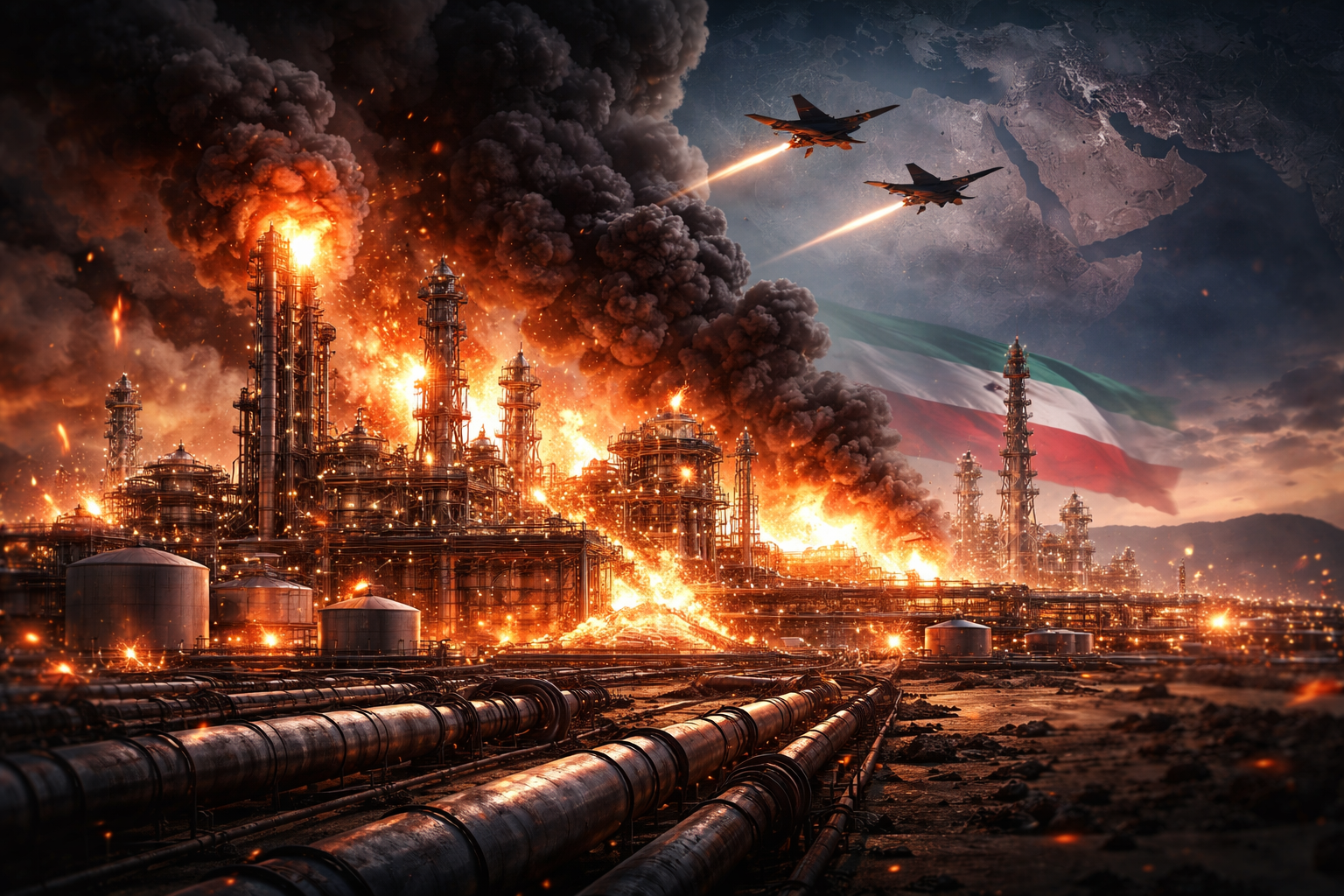
Israel has launched a significant strike targeting the South Pars Gas Field, located in southern Iran.
-
The attack is being described as a major escalation
-
Reports suggest damage to critical infrastructure
-
It marks a rare direct hit on such a crucial economic asset
This is not just another military strike — it directly targets Iran’s economic backbone.
Why South Pars Is So Important
To understand the seriousness of this attack, you need to understand what South Pars is.
The South Pars gas field is:
-
The largest natural gas field in the world
-
Shared between Iran and Qatar
-
Responsible for a huge portion of Iran’s energy production
Key Facts:
-
Supplies a major share of Iran’s domestic energy
-
Critical for exports and revenue
-
Linked to global gas supply chains
In simple terms, hitting South Pars is like attacking the heart of Iran’s economy.
Impact on Global Energy Markets
Any disruption at South Pars can ripple across the global energy market.
Here’s how:
1. Rising Gas Prices
A disruption in supply could lead to:
-
Higher global gas prices
-
Increased energy costs worldwide
2. Pressure on Europe & Asia
Countries dependent on gas imports may face:
-
Supply shortages
-
Increased competition for LNG
3. Oil Market Instability
Even though South Pars is gas-focused, tensions in the Middle East often affect oil prices too.
Donald Trump’s Warning to Iran
After the attack, Donald Trump reacted strongly.
Key Points from His Statement:
-
He warned Iran against escalation
-
Claimed the U.S. was not informed about the Israeli strike
-
Emphasized the risk of a wider conflict
This statement is important because it signals:
-
Possible divisions or distance between the U.S. and Israel on this specific action
-
A warning to Iran to avoid retaliation
Was the U.S. Involved?
One of the biggest questions is whether the United States knew about the attack.
According to Trump:
-
The U.S. had no prior knowledge
-
This suggests Israel may have acted independently
If true, this is significant because:
-
It shows Israel is willing to act alone
-
It could complicate U.S. diplomacy in the region
Why Israel Launched the Attack
The strike is being described as a “violent lashing out” by Israel.
Possible reasons include:
1. Rising Regional Tensions
Ongoing conflicts in the Middle East have increased pressure on Israel.
2. Strategic Signaling
By targeting South Pars, Israel may be sending a message:
-
It can hit high-value economic targets
-
Iran’s critical infrastructure is vulnerable
3. Retaliation Motive
Some analysts believe this could be in response to:
-
Previous attacks or threats linked to Iran
-
Proxy conflicts across the region
Risk of Escalation
This attack significantly raises the risk of a wider conflict.
What Could Happen Next?
-
Iran may retaliate directly
-
Proxy groups could intensify attacks
-
Regional allies may get involved
This creates a dangerous cycle:
Attack → Retaliation → Escalation
Global Political Impact
The situation is not just regional — it has global consequences.
1. U.S. Foreign Policy Challenges
The United States must now:
-
Balance support for Israel
-
Avoid a full-scale war
2. Strained Diplomacy
Efforts to stabilize the Middle East could suffer.
3. Increased Military Alert
Countries in the region may:
-
Increase defense readiness
-
Prepare for further escalation
Economic Consequences
Beyond politics, the economic impact could be severe.
Energy Sector
-
Gas production disruptions
-
Export uncertainty
Global Markets
-
Volatility in energy stocks
-
Investor uncertainty
Trade Routes
-
Risk to shipping lanes in the Gulf
-
Potential disruption in global trade
Why This Attack Is Different
Not all strikes are equal — and this one stands out.
Here’s why:
-
It targets economic infrastructure, not just military sites
-
It affects global energy supply, not just local conflict
-
It increases the risk of international involvement
This makes it a high-stakes escalation.
What Happens Next?
The coming days are critical.
Watch for:
-
Iran’s response
-
Statements from global leaders
-
Movement in oil and gas prices
If tensions rise further, the situation could:
-
Escalate into a broader regional war
-
Impact economies worldwide
Final Thoughts
The Israeli strike on the South Pars Gas Field is more than just a military action.
It is:
-
A strategic escalation
-
A threat to global energy stability
-
A trigger for geopolitical uncertainty
With Donald Trump warning Iran and distancing the U.S. from the attack, the situation becomes even more complex.
The world is now watching closely.
Because what happens next could shape the future of the Middle East — and the global economy.


I started writing down one thing at the end of every day — what I actually managed to do. Not a to-do list, not plans. Just one small win. It’s surprising how quickly it shifts your perspective.