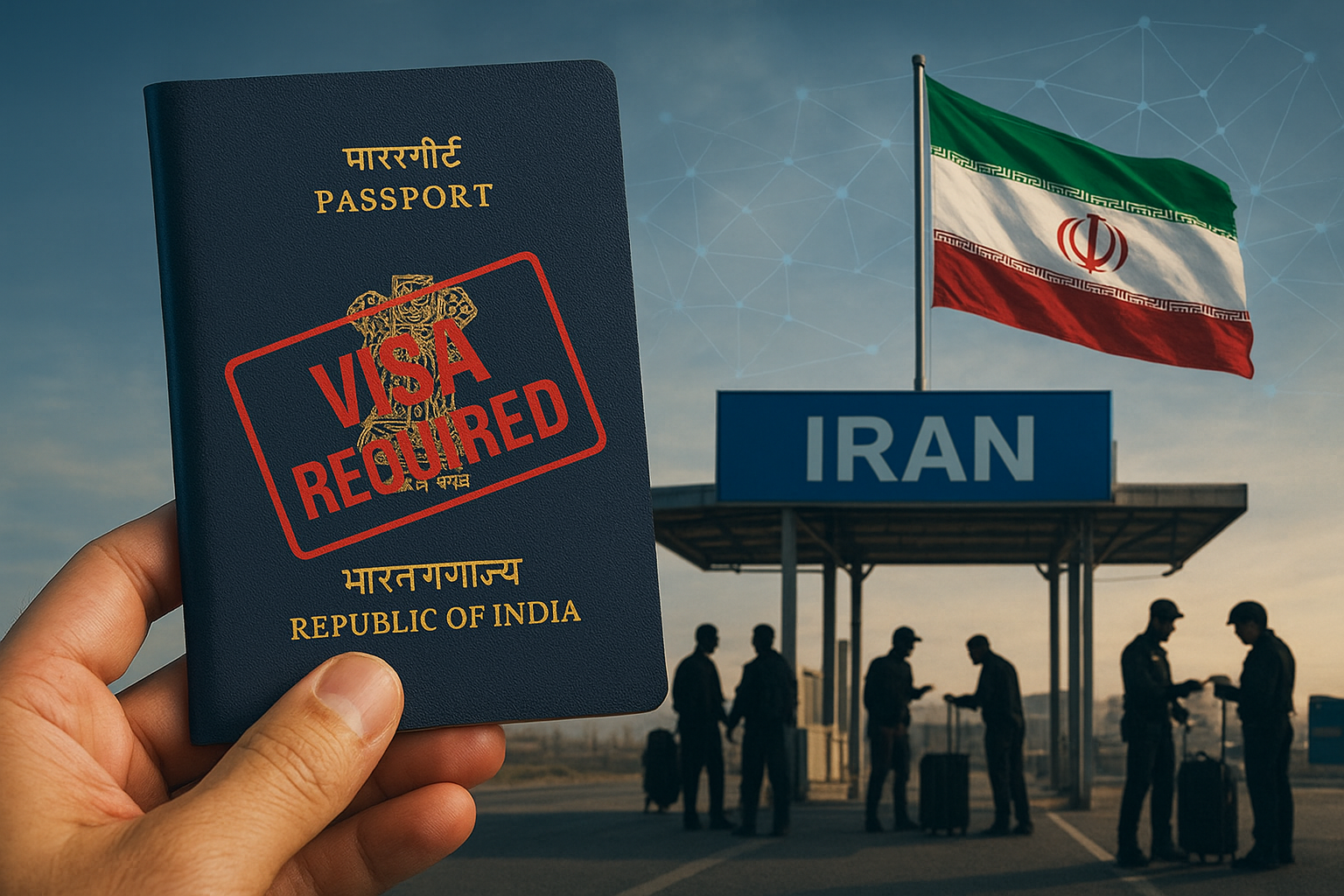
 Why Iran Suspended the Facility & What Indian Travelers Must Know. Travel plans for thousands of Indians heading to Iran have been hit by a major policy change. Iran has suspended its visa-free entry for Indian citizens, ending a convenient travel option that many relied on for tourism, pilgrimage, and business visits.
The Indian Ministry of External Affairs (MEA) has confirmed the decision, citing security concerns and ongoing issues involving Indian travelers. The suspension has also put travel agencies and airlines under strict watch, with penalties likely for violations.
So, what exactly led to this sudden move? And how does it impact Indian travelers?
Let’s break it down in a simple.
India’s Passport Ranking Declines: A Key Factor
One of the major background factors in this development is India’s falling rank in the Henley Passport Index—a globally recognized ranking that measures how freely citizens can travel without a visa.
In recent years, the Henley Passport Index shows India’s ranking declining, especially in terms of visa-free access. This decline means fewer countries now allow Indians to enter without prior documentation.
Iran had been one of the few countries offering visa-free entry for Indian nationals. The suspension now adds to the shrinking list of destinations where Indians can travel easily.
This development also highlights rising global concerns regarding migration, safety, and compliance with international rules.
Iran Suspends Visa-Free Travel for Indians
Iran’s latest decision means Indian travelers must now obtain a visa before entering Iran, even for short tourism trips.
Previously, India was included in Iran’s visa-free policy expansion aimed at boosting tourism. That facility is now officially suspended.
According to the MEA and diplomatic sources, Iran initiated the suspension after evaluating risks linked to Indian travelers entering without adequate scrutiny.
For pilgrims traveling to Iranian religious sites, for businesspeople, and for tourists planning quick visits, this change is a major setback.
Why Did Iran Cancel Visa-Free Entry for Indians?
Iran’s suspension isn’t random—it is rooted in several serious security concerns.
Below are the main reasons Iran took this step:
1. Increasing Safety & Security Concerns
The Indian Ministry of External Affairs confirmed that the suspension was driven by safety and security concerns flagged by Iranian authorities.
Iranian government agencies reportedly identified rising risks linked to unchecked entry, especially when travelers do not undergo prior screening.
2. Growing Incidents of Kidnappings
One big factor was the increasing number of kidnapping cases involving Indian nationals in Iran and surrounding regions.
Some Indians who traveled visa-free ended up in dangerous situations, particularly in border areas or remote towns where criminals operate.
The visa-free entry made it easier for vulnerable travelers to get trapped in risky networks without proper monitoring.
3. Human Trafficking & Smuggling Concerns
Iran also pointed to multiple cases of human trafficking, especially involving Indians trying to reach Europe or the Middle East illegally through Iran.
Criminal syndicates have reportedly used Iran as a transit point. Many Indian citizens—often job seekers—fell victim to these gangs, ending up exploited or stranded.
By suspending visa-free entry, Iran aims to reduce such illegal movements and curb organized trafficking routes.
4. Criminal Networks Operating Across Borders
There have been instances where criminal networks involving Indian travelers used Iran as a gateway for unlawful activities.
These networks often operate across countries like Iraq, Turkey, and the UAE. Iranian authorities, unable to track travelers entering without visas, faced challenges in ensuring security.
This became a major push factor for reintroducing visa checks at entry points.
Penalties for Airlines & Travel Agents
Iran’s suspension doesn’t just affect travelers—it places strict responsibilities on airlines and travel agents too.
Strict Compliance Required
Airlines flying Indian passengers to Iran must now ensure every traveler carries a valid visa. Anyone without proper documents may force the airline to:
-
Pay heavy fines
-
Fly the passenger back at their own cost
-
Face route restrictions in severe cases
Travel Agents Under Scrutiny
Travel agencies that previously promoted visa-free travel packages to Iran must:
-
Update all their listings
-
Verify traveler documentation
-
Avoid misleading advertisements
Violations may attract penalties, warnings, or cancellation of licenses depending on severity.
The message from Iranian authorities is clear:
Follow the rules or face consequences.
Impact on Indian Travelers
This suspension affects several categories of travelers differently:
1. Tourists
Indian tourists will now need to apply for visas in advance, increasing travel costs and timelines. Those planning spontaneous trips or pilgrimage tours will find the process more time-consuming.
2. Pilgrims Traveling to Holy Sites
Iran hosts important Shia religious sites in Mashhad and Qom.
Pilgrims, who often travel in groups, now need to secure visas through authorized agents, increasing paperwork and verification.
3. Business Travelers
Businesspeople who frequently visited Iran for trade or meetings will now face delays. Visa processing times may impact last-minute deals or urgent trips.
4. Students & Job Seekers
Indian students traveling to Iranian universities and job seekers passing through Iran must now undergo stricter checks. This may reduce misuse of the visa-free system for illegal migration.
How India Responded
The Indian Ministry of External Affairs stated that Iran’s decision is linked to security concerns involving Indian nationals abroad.
MEA also urged Indian citizens to:
-
Exercise caution while traveling
-
Thoroughly verify visas and travel routes
-
Avoid illegal job agents or risky travel channels
India has also warned travel agencies against promoting misleading packages that violate international rules.
What Indian Travelers Should Do Now
If you’re planning to visit Iran, here’s what you need to do under the new rules:
✔ Apply for a Visa in Advance
You must obtain a visa from the Iranian embassy/consulate before departure. The visa-on-arrival option is suspended too.
✔ Use Only Authorized Travel Agents
Avoid unauthorized agents offering “shortcut routes” to Iran or Europe via Iran.
✔ Check Airline Requirements
Airlines will not allow boarding without a valid visa. Keep printed and digital copies of your visa approval.
✔ Avoid Border or Conflict Zones
Some regions in Iran may still be unsafe for tourists, especially near borders with Afghanistan or Pakistan.
✔ Stay Updated With MEA Advisories
Always check the latest travel advisories posted by the Indian government before planning your trip.
Will Visa-Free Entry Return in the Future?
At the moment, there is no clear timeline for reinstating visa-free travel for Indians.
Experts believe the policy may only return when:
-
Security risks decline
-
Trafficking networks weaken
-
Monitoring systems improve
-
India and Iran mutually review travel frameworks
Until then, Indian citizens must follow the updated entry requirements strictly.
Conclusion
Iran’s decision to suspend visa-free entry for Indian citizens highlights growing global concerns around security, illegal migration, and human trafficking.
The decline in India’s ranking in the Henley Passport Index, along with rising incidents involving Indian travelers, played a key role in shaping this policy change.
While the suspension may feel inconvenient, it aims to protect Indian citizens from unsafe situations and to ensure lawful movement across borders.
For now, Indian travelers must apply for visas in advance, stay alert, and follow MEA’s guidelines for safe, hassle-free travel.