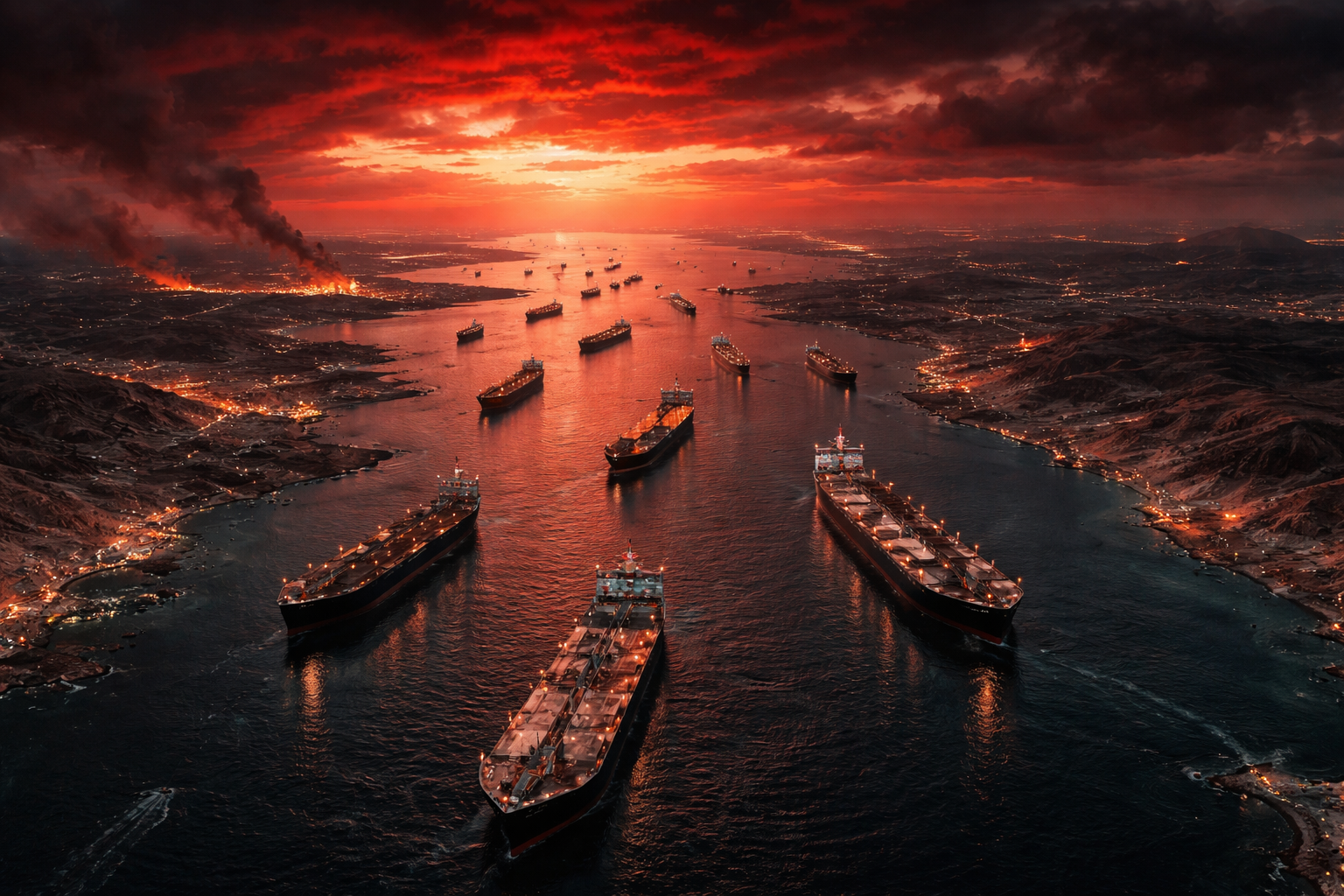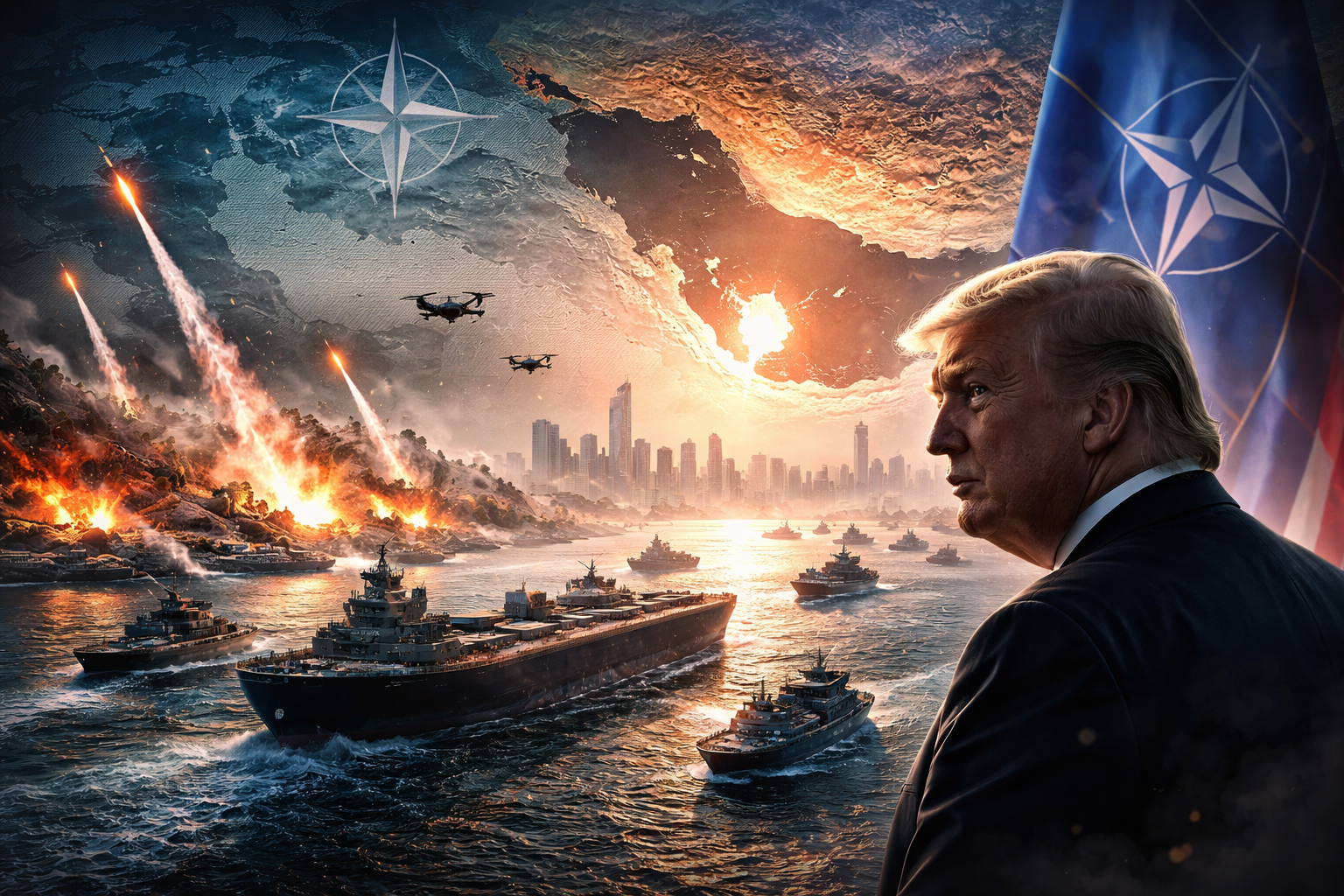

 Russia has once again made global headlines with a shocking military breakthrough — the development of Poseidon, an underwater nuclear drone unlike anything the world has ever seen. As geopolitical tensions intensify, especially between Russia and the United States, this new weapon could completely change how modern warfare is fought.
Rising Tensions Between Russia and the U.S.
The international stage is heating up as Russian President Vladimir Putin challenges U.S. leadership with new nuclear capabilities. The relationship between Moscow and Washington has been on edge for years, but recent developments have raised the stakes dramatically.
Putin’s latest announcement directly targets the balance of power. By revealing advanced nuclear technology that could bypass traditional defense systems, Russia is sending a clear message — it’s ready to compete with or even outmatch the United States in military innovation.
Russia’s Breakthrough: A Nuclear Missile With Unlimited Range
In a recent test, Russia successfully launched a nuclear-powered missile said to have unlimited range. This marks a major leap forward in missile technology, allowing Russian weapons to travel across the globe without needing traditional fuel sources.
This innovation means Russian forces could potentially strike from any point on Earth — a clear strategic advantage in a world increasingly defined by surveillance, defense systems, and counterattacks.
While the missile test alone was groundbreaking, what followed took the world by storm — the unveiling of Poseidon.
What Is Poseidon?
Poseidon is not a traditional missile or submarine. It’s an autonomous underwater nuclear drone, capable of operating deep beneath the ocean’s surface for extended periods. Russia describes it as a “one-of-a-kind” weapon — part drone, part nuclear torpedo — and completely self-sufficient.
Unlike conventional submarines that require large crews and constant communication, Poseidon can navigate independently, using artificial intelligence to move stealthily underwater and approach targets undetected.
Its mission is simple but terrifying: to deliver a nuclear payload with immense destructive power.
Powered by a Miniaturized Nuclear Reactor
At the heart of Poseidon lies a miniaturized nuclear reactor — a groundbreaking achievement in engineering. Traditional submarine reactors are massive, complex, and require extensive maintenance. But Russia claims Poseidon’s reactor is significantly smaller and more efficient, giving it unlimited range and the ability to stay submerged for months or even years.
This design gives Poseidon an edge that no other underwater weapon currently possesses. It can travel quietly across vast distances, making it nearly impossible to track or intercept.
In military terms, this is revolutionary. The combination of stealth, endurance, and nuclear capability transforms Poseidon from a conventional deterrent into a strategic game-changer.
Poseidon’s Capabilities: Beyond Existing Defense Systems
Russia asserts that Poseidon can surpass any existing missile defense system in the world. Because it travels deep underwater, traditional anti-missile systems — designed for aerial threats — are ineffective against it.
Even advanced sonar networks may struggle to detect Poseidon’s movements due to its depth and low noise levels.
This makes it one of the hardest weapons to counter. If deployed, it could theoretically approach coastal cities or enemy naval bases undetected, triggering catastrophic consequences.
Experts warn that Poseidon’s nuclear warhead, if used, could cause massive tsunamis and radioactive contamination across entire regions. This has led some analysts to describe it as a “doomsday weapon” — one capable of altering coastlines and ecosystems along with human populations.
The Strategic Message Behind Poseidon
Putin’s unveiling of Poseidon isn’t just about technology — it’s about sending a geopolitical message. With tensions rising and the U.S. strengthening NATO alliances, Russia’s military advancements serve as both a deterrent and a statement of power.
By demonstrating the ability to develop an entirely new class of nuclear weapon, Russia is essentially telling the world that it will not be intimidated by Western pressure or sanctions.
This bold move also challenges the United States’ defense superiority. While the U.S. maintains the largest and most advanced naval fleet, Poseidon introduces a new type of threat — one that traditional defenses cannot easily stop.
How Poseidon Changes Modern Warfare
Poseidon represents a shift in military doctrine. Instead of focusing solely on missile systems or aerial dominance, Russia is expanding the battlefield to the ocean depths.
Here’s what makes Poseidon’s design so significant:
- Stealth Operations: It can travel undetected for thousands of kilometers.
- Nuclear Autonomy: The mini-reactor allows continuous operation without refueling.
- Massive Destructive Potential: Its nuclear warhead could devastate entire coastal regions.
- Psychological Impact: The uncertainty of where or when Poseidon might strike creates deterrence through fear.
This weapon blurs the line between nuclear deterrence and offensive capability, reshaping the global arms race.
Global Response and Growing Concerns
The U.S. and its allies have expressed serious concern over Poseidon’s potential deployment. Military experts warn that such weapons could destabilize global security and undermine existing arms control treaties.
There are fears that Poseidon’s development could spark a new Cold War-style arms race, where nations rush to develop similar technologies to maintain strategic balance.
Even more troubling, autonomous systems like Poseidon raise ethical and safety concerns. If an AI-powered nuclear drone malfunctions or is hacked, the consequences could be catastrophic.
Russia’s Vision for the Future
According to Moscow, Poseidon is part of Russia’s long-term defense modernization plan. The goal is to ensure national security by developing technologies that render enemy defenses useless.
Russia has hinted at the possibility of integrating Poseidon with its newest submarines, such as the Belgorod — a special-purpose vessel designed specifically to carry these drones.
If this integration is completed successfully, Russia would gain unmatched underwater strike capabilities, giving it leverage in future diplomatic and military negotiations.
The Big Picture: A New Era of Nuclear Deterrence
Poseidon is more than just a weapon — it symbolizes a new phase in nuclear deterrence. It challenges long-standing military doctrines and forces the world to reconsider how future conflicts might unfold.
While the U.S. continues to focus on space and aerial defense systems, Russia’s underwater innovation opens an entirely new front.
The combination of stealth, nuclear power, and AI autonomy means the battlefield is no longer limited to land, air, or space — but now extends into the deep sea.
Conclusion
Russia’s Poseidon underwater nuclear drone is not just another addition to its arsenal — it’s a declaration of technological and strategic dominance.
As Putin and Trump face off in an increasingly tense geopolitical landscape, Poseidon stands as a chilling reminder that the rules of warfare are changing.
With its nuclear reactor, unlimited range, and unstoppable underwater mobility, Poseidon might very well be the most formidable weapon of the 21st century — a true “one-of-a-kind” creation redefining the balance of global power.