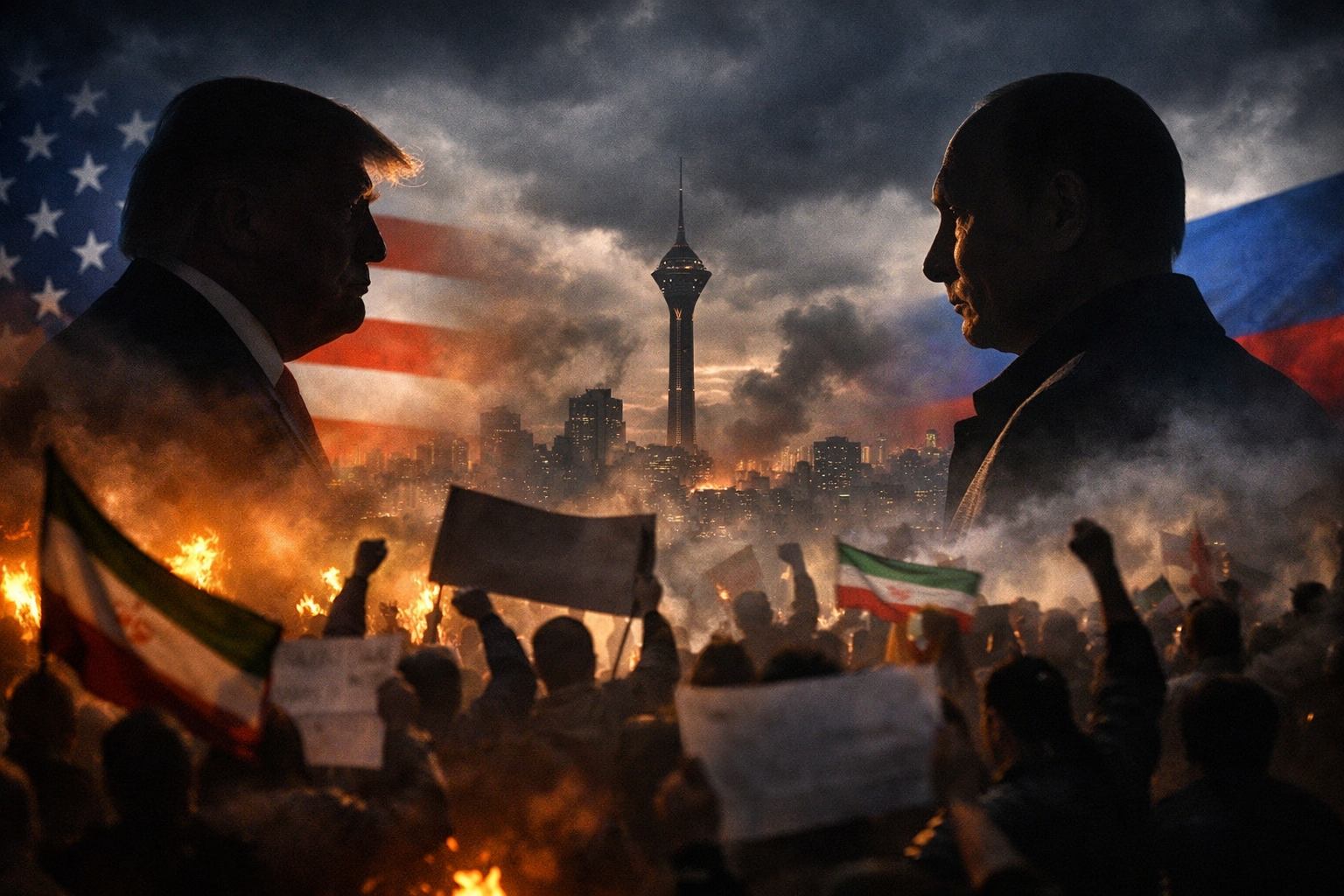
 Tensions in the Middle East are rising once again as Iran faces one of its most intense internal crises in recent years. Massive protests, thousands of reported deaths, and growing international involvement have turned Iran into the center of a global power struggle.
At the heart of this issue are two major world powers — the United States and Russia. Former U.S. President Donald Trump has made a bold statement supporting Iranian protesters, while Russian President Vladimir Putin has warned of serious consequences if foreign interference continues.
This situation raises a critical question: Is Iran becoming the next battleground for U.S. and Russia rivalry?
Iran Protests: What Is Happening on the Ground?
Iran is currently witnessing widespread protests across multiple cities.
Reports suggest that over 2,000 people have died amid clashes between protesters and security forces. While exact numbers remain difficult to verify, the scale of violence is alarming.
The protests have not remained limited to peaceful demonstrations. In several areas, clashes have intensified, and state institutions have reportedly been targeted.
The situation reflects deep frustration among Iranian citizens, especially the younger population.
Why Did the Iran Protests Start?
The protests in Iran did not begin as a political movement.
They were initially triggered by economic grievances.
Key reasons include:
-
Rising inflation
-
High unemployment
-
Currency collapse
-
Shortages of basic goods
Many Iranians are struggling to afford daily necessities. Years of sanctions, mismanagement, and economic isolation have pushed large sections of society into poverty.
What started as economic anger soon evolved into broader protests questioning governance and leadership.
Trump’s Message to Iranian Protesters
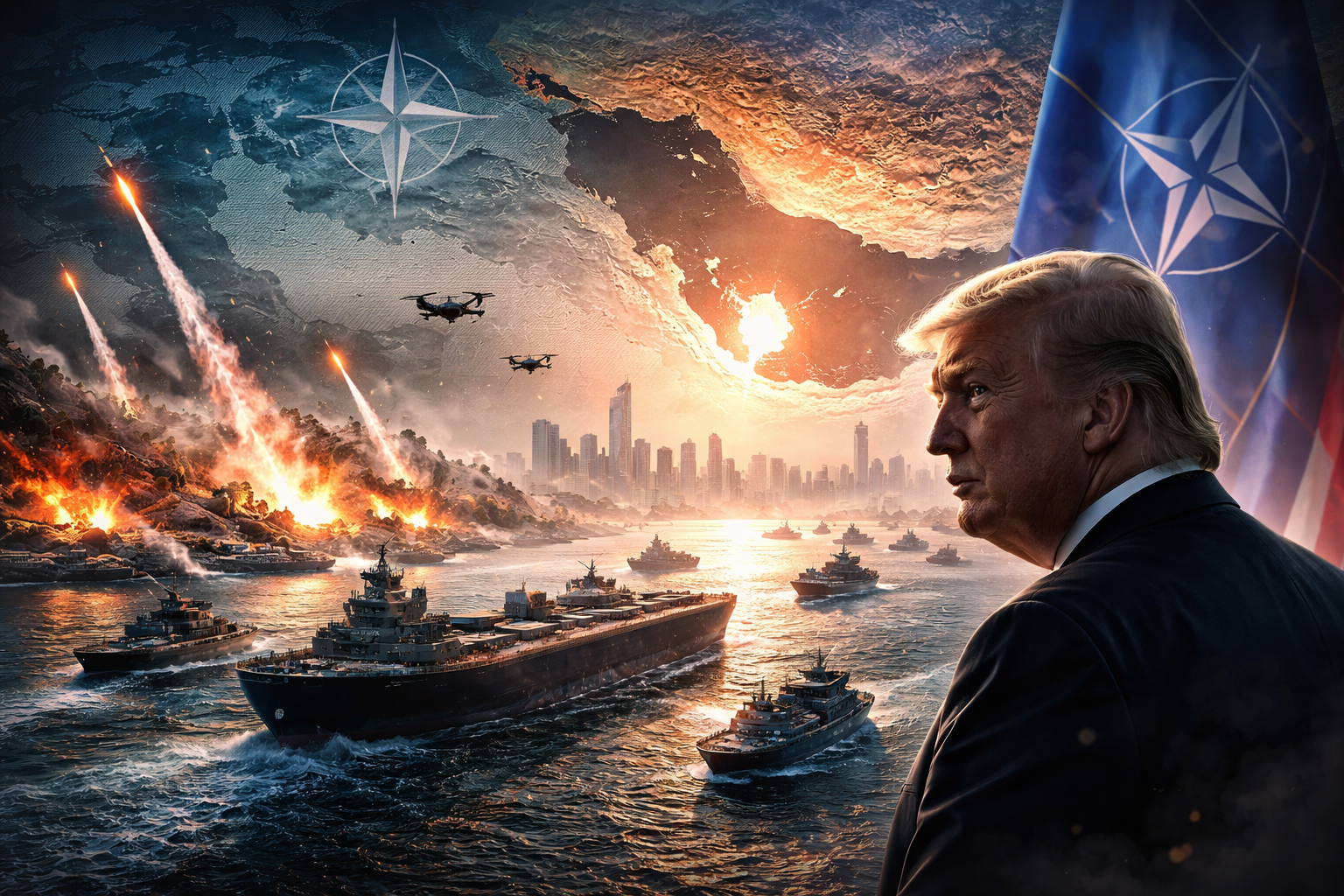
Former U.S. President Donald Trump made headlines after issuing a strong message directed at Iranian protesters.
Trump reportedly encouraged protesters to continue their demonstrations and urged them to capture institutions.
This message quickly spread across global media platforms and social networks.
For many observers, this statement marked a major shift in how U.S. leaders publicly respond to unrest in other countries.
Why Trump’s Call Is Unprecedented
Trump’s remarks are being described as unprecedented.
Never before has a former U.S. president so openly encouraged citizens of another sovereign nation to challenge their government directly.
Key reasons this is significant:
-
It crosses traditional diplomatic boundaries
-
It publicly supports regime-challenging actions
-
It sends a clear signal of U.S. political alignment
Supporters argue that Trump is standing for freedom and democracy. Critics warn that such statements can escalate violence and instability.
Is the U.S. Supporting Regime Change in Iran?
Trump’s message has revived long-standing debates about U.S. intentions in Iran.
While no official policy announcement has been made, the message suggests moral and political backing for protesters.
This raises concerns that the U.S. may be indirectly supporting regime change, even if not through military means.
Such actions could reshape power dynamics across the Middle East.
Russia’s Strong Warning to the West
Russian President Vladimir Putin responded sharply to the developments in Iran.
Putin warned that continued protests combined with foreign intervention could lead to devastating consequences.
Russia has historically opposed Western involvement in internal affairs of sovereign nations, especially in regions where it holds strategic interests.
Iran is one of Russia’s key allies in the Middle East.
Why Russia Is Concerned About Iran
Russia’s concerns go beyond ideology.
Iran plays a crucial role in:
-
Regional security
-
Energy markets
-
Military cooperation
-
Countering U.S. influence
Any instability in Iran could weaken Russia’s strategic position.
Putin’s warning signals that Moscow may take diplomatic or strategic steps if it believes Iran’s stability is under threat from external forces.
US vs Russia: A New Power Struggle?
The situation in Iran is increasingly being viewed as a proxy struggle between the U.S. and Russia.
On one side:
-
Trump encourages protests
-
Western voices highlight human rights
On the other side:
-
Russia defends state sovereignty
-
Warns against foreign interference
This rivalry risks turning Iran’s internal crisis into an international confrontation.
The Human Cost of the Crisis
Amid geopolitical debates, the biggest sufferers are Iranian citizens.
Thousands of families have reportedly lost loved ones.
Economic hardship continues to worsen, and daily life has become increasingly unstable.
Internet shutdowns, arrests, and crackdowns have further isolated citizens from the outside world.
Could the Situation Escalate Further?
Experts warn that the crisis could escalate if:
-
Protests continue to grow
-
Foreign statements intensify
-
Economic conditions worsen
Any direct intervention, even rhetorical, may harden positions on all sides.
This could lead to prolonged unrest or even regional instability.
What Comes Next for Iran?
Iran now stands at a critical crossroads.
Possible outcomes include:
-
Stronger government crackdowns
-
Continued protests and unrest
-
Diplomatic pressure from global powers
-
Long-term economic consequences
Much will depend on how Iran’s leadership responds and how external powers choose to act.
Global Implications of the Iran Crisis
The Iran situation affects more than just one country.
It could impact:
-
Global oil prices
-
Middle East security
-
U.S.–Russia relations
-
International diplomacy norms
Any miscalculation could have ripple effects worldwide.
Conclusion
The escalating crisis in Iran has drawn the world’s attention as the U.S. and Russia take opposing positions.
Trump’s unprecedented call for Iranian protesters to challenge their government has intensified tensions, while Putin’s warning highlights the risks of foreign involvement.
What began as an economic protest has now evolved into a global geopolitical issue.
As the situation unfolds, the world watches closely to see whether diplomacy, restraint, or confrontation will shape Iran’s future.