
 India is witnessing one of its biggest crackdowns on illegal immigration, and the spotlight is firmly on West Bengal. A new SIR (Systematic Investigation of Residents) survey has triggered a massive political, social, and national security storm.
The situation has escalated so sharply that the BSF (Border Security Force) has moved directly to the zero line—the closest stretch to the India–Bangladesh border—stopping thousands from slipping away.
This article breaks down the entire story in simple language, short sections, and easy explanations so readers understand exactly what is happening.
What Is the SIR Survey in Bengal?
The Systematic Investigation of Residents (SIR) survey is an ongoing verification drive launched in West Bengal to identify:
-
Illegal immigrants
-
Duplicate voters
-
Fraudulent Aadhaar card holders
-
Individuals without valid citizenship documents
The primary objective is to clean the voter list, strengthen national security, and verify identity documents issued over the past decade.
This survey has created huge waves across the border districts of Bengal, especially because of the large number of Bangladesh-origin residents living in these areas.
BSF Moved to Zero Line: A Rare and Serious Move
One of the most shocking developments is that the BSF has moved to the zero line—something that happens only in high-alert situations.
Why did BSF take this step?
Because in the last few weeks, over 500 Bangladeshis attempted to cross back into Bangladesh, fearing the SIR survey.
Many of them reportedly believed:
-
They may be identified as illegal migrants
-
Their documents may not pass verification
-
Their Aadhaar or voter ID may be flagged as fraudulent
To prevent unauthorized movement across the border, BSF strengthened its presence.
500+ Bangladeshis Intercepted While Returning Home
According to ground reports, more than 500 Bangladesh-origin migrants were caught trying to sneak back into Bangladesh.
These individuals were reportedly:
-
From border districts like Malda, Murshidabad, North 24 Parganas, and Nadia
-
Carrying invalid, duplicate, or suspicious identity documents
-
Trying to escape before verification teams reached their localities
The BSF stopped them and made one thing very clear:
“Anyone who entered India must exit only with BSF’s permission.”
This statement signals India’s strict approach toward illegal migration in the region.
BSF’s Strong Warning: No Individual Can Leave Without Permission
The BSF clarified that the border is not a free corridor, and movement cannot happen without:
-
Valid documents
-
Proper clearance
-
Official permission
This is a major shift in tone.
For years, the India–Bangladesh border near Bengal has remained one of the most porous borders in Asia. People often moved freely across unfenced stretches.
But now, due to the SIR survey and rising suspicion of large-scale illegal settlement, the BSF has tightened control like never before.
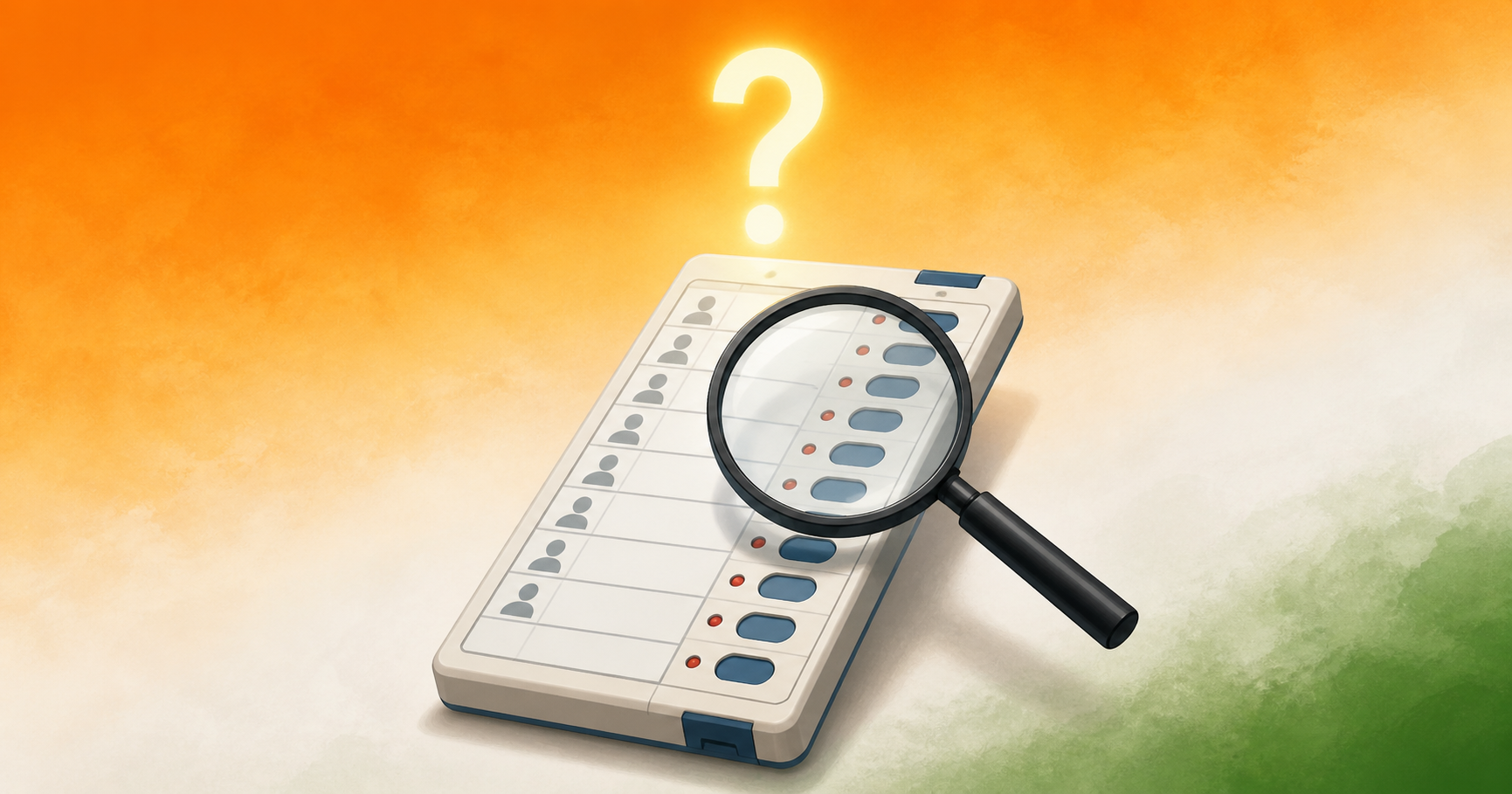
AI-Based App to Identify Duplicate & Fraud Votes
One of the most advanced features of the SIR survey is the use of Artificial Intelligence.
Authorities are using an AI-powered mobile app that helps:
-
Scan Aadhaar data
-
Match voter ID information
-
Flag duplicate entries
-
Highlight suspicious digital records
-
Verify age and address anomalies
This AI tool is designed to clean the electoral rolls, ensuring only legitimate Indian citizens remain on the voter list ahead of major elections.
Why this matters
India has long been concerned about:
-
Padding of voter lists
-
Fake voters
-
Multiple identities
-
Underage or overage discrepancies
The AI system drastically improves accuracy and transparency.
34 Lakh Aadhaar Cards Under Scrutiny
One of the most explosive points mentioned in the video is that UIDAI (Unique Identification Authority of India) data reportedly flagged 34 lakh Aadhaar cards in Bengal for further verification.
This does not mean all 34 lakh are fake.
But it means these cards require:
-
Re-verification
-
Document review
-
Address validation
-
Biometric checks
This massive number is raising questions about:
-
Illegal Aadhaar enrollment
-
Cross-border identity fraud
-
Political manipulation
-
Weak verification processes
It also highlights how large the problem could be.
Managing a Porous Border: India’s Long-Standing Challenge
The India–Bangladesh border in Bengal stretches nearly 2,216 kilometers, making it one of the longest international borders in the world.
But the real challenge is this:
A significant portion of this border is still not fully fenced.
Problems with the unfenced border
-
Easy illegal crossings
-
Cattle smuggling
-
Drug trafficking
-
Human trafficking
-
Movement during night or through rivers
-
Help from local agents or touts
This has allowed thousands of illegal migrants to enter India over decades.
With the SIR survey now underway, many fear exposure and are attempting to escape—triggering the BSF’s rapid response.
Why Bengal Became the Center of This Drive
Bengal has long been a sensitive region because of:
-
Its massive shared border with Bangladesh
-
Historic cultural and linguistic ties
-
Reports of demographic shifts
-
Political debate over illegal immigration
-
Cross-border infiltration concerns
The SIR survey is seen as a central government push to finally clean the system and verify who is legally residing in India.
Political Implications of the SIR Survey
This crackdown is expected to have enormous political impact.
Key concerns include:
-
Possible large-scale removal of suspicious voter IDs
-
Political parties losing vote banks
-
Possible re-verification of citizenship in border districts
-
Migration debates intensifying
-
State vs. Centre confrontation sharpening
The situation is being closely monitored nationwide.
Bangladesh’s Reaction
While the article/video does not detail Bangladesh’s official response, early reports indicate:
-
Surprise at large numbers trying to return
-
Concerns that India may send back undocumented migrants
-
Discussions within local Bangladeshi communities about rising tension
However, the issue is still unfolding and may influence India–Bangladesh relations.
How the AI App Helps Electoral Purification
The AI-based verification process is a major step forward.
It checks:
-
Whether the same biometric data appears with multiple identities
-
Whether the person’s age is realistic
-
Whether the address is genuine
-
Whether the Aadhaar and voter ID match
-
Whether cross-state duplicates exist
This technology could eventually be used across India.
Why the Crackdown Matters for National Security
Illegal immigration is not just a demographic issue. It affects:
-
Internal security
-
Border crime
-
Employment
-
Welfare scheme distribution
-
Voting patterns
-
Law and order
-
Social balance in sensitive districts
Strengthening border security and document verification is essential to protect India’s administrative and political stability.
The Bigger Picture: India Redefines Border Management
Through the SIR survey and BSF action, India is sending a strong message:
Illegal residency will no longer be ignored.
Key steps include:
-
AI-driven verification
-
Tightened border surveillance
-
Strict exit rules
-
Massive Aadhaar re-check
-
Voter list cleansing
-
District-level resident verification
This could set the template for other states as well.
Conclusion: Bengal’s SIR Survey Marks the Start of a New Era
The Bengal SIR survey is more than just an administrative exercise—it is a major national crackdown on illegal immigration.
With BSF deployed at the zero line, 500+ Bangladeshis intercepted, AI tools verifying voters, and 34 lakh Aadhaar cards under review, India is taking unprecedented steps to secure its borders and its democratic processes.
The coming weeks will reveal whether this becomes a national model for identity verification and border control.