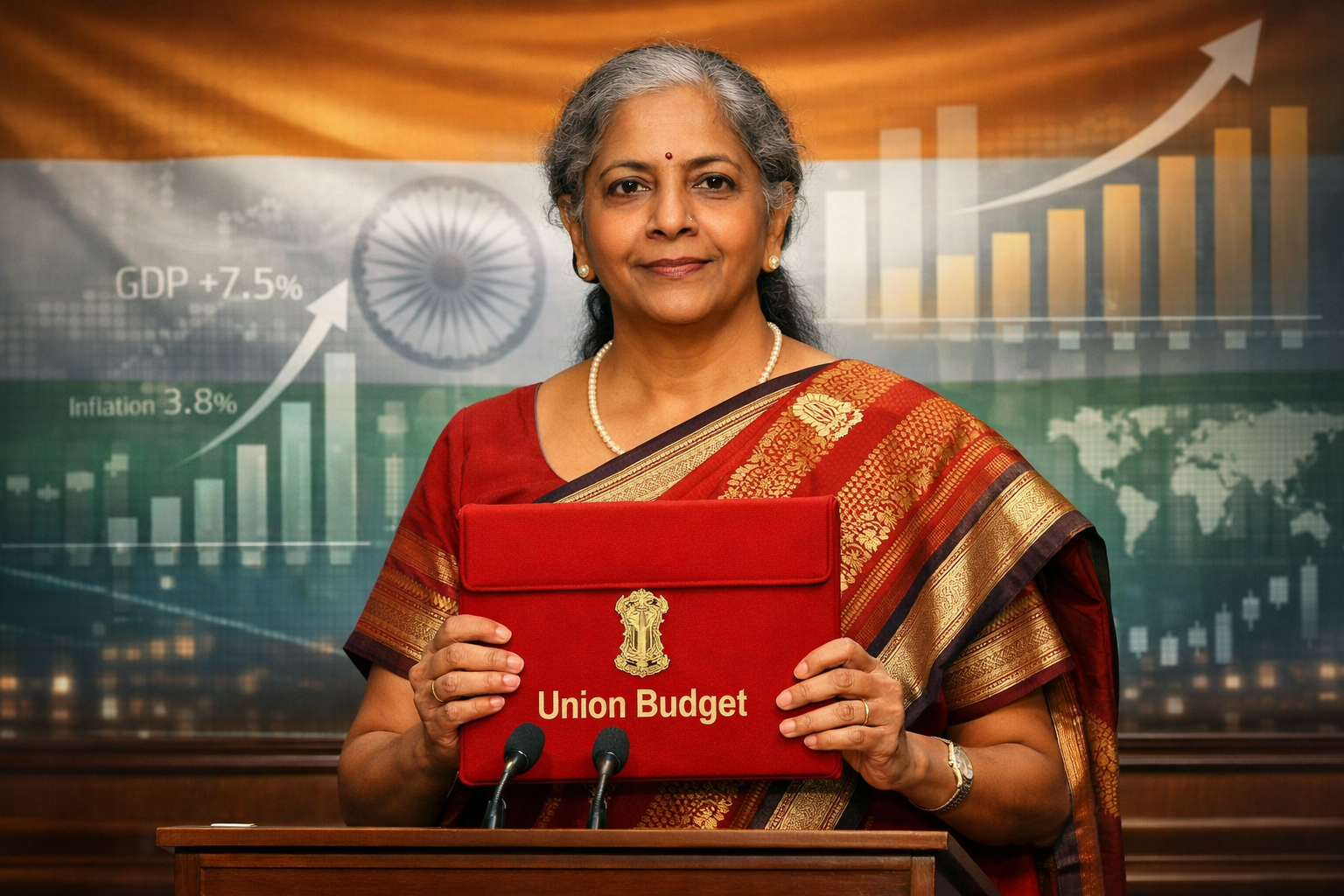
 India’s Union Budget has always been more than a financial statement. For decades, it has reflected the country’s economic priorities, political thinking, and global ambitions. Budget 2026, to be presented by Finance Minister Nirmala Sitharaman, is being seen as a historic moment because it is expected to break away from a 75-year-old budget tradition.
This change is not just symbolic. It signals a new mindset in India’s economic planning, aimed at modernization, global competitiveness, and long-term growth. Let’s explore what this shift means, why it matters, and how it could impact taxpayers, businesses, and India’s position on the world stage.
A Historic Shift in India’s Budget Tradition
Since Independence, India’s budget presentation has followed a familiar structure and philosophy. While formats evolved slightly over time, the core approach remained largely unchanged.
Budget 2026 is expected to challenge this legacy.
Instead of sticking to rigid conventions, the government appears ready to redefine how financial planning is communicated and executed. This break from tradition reflects India’s confidence as a fast-growing economy with global aspirations.
The message is clear:
India is no longer bound by old frameworks.
Why Budget 2026 Matters More Than Ever
The global economy is facing uncertainty. Inflation, geopolitical tensions, supply chain disruptions, and technological shifts are reshaping financial systems worldwide.
Against this backdrop, India wants to:
-
Project economic stability
-
Attract global investment
-
Strengthen domestic demand
-
Support innovation and manufacturing
Budget 2026 is being positioned as a strategic statement, not just a fiscal document.
A New Style of Budget Presentation
One of the biggest talking points is the departure from traditional budget presentation norms.
Instead of focusing only on numbers, Budget 2026 is expected to:
-
Emphasize long-term vision
-
Highlight reform-driven growth
-
Align policies with India’s global ambitions
This evolution suggests a move toward outcome-based budgeting, where impact matters more than just allocations.
Sending a Strong Message to the World
India’s economy is now among the world’s largest. With Budget 2026, the government aims to send a clear signal to international markets.
The message is simple:
-
India is open for business
-
India supports stable tax policies
-
India encourages innovation and manufacturing
This global outlook could help India strengthen its position as a preferred investment destination.
Direct Taxes: Income Tax Changes in Focus
One of the most anticipated aspects of any budget is direct taxation, especially income tax.
Possible Income Tax Slab Reforms
Budget 2026 may explore:
-
Simplified income tax slabs
-
Higher exemption limits
-
Reduced tax burden for middle-income groups
The goal would be to increase disposable income, boost consumption, and support economic growth.
A simpler tax structure also improves compliance and reduces confusion for taxpayers.
Corporate Tax: Boosting Business Confidence
Corporate tax policy plays a major role in attracting investment.
Budget 2026 could include:
-
Rationalization of corporate tax rates
-
Incentives for MSMEs and startups
-
Support for manufacturing and exports
Stable and predictable corporate taxation helps businesses plan long-term and creates employment opportunities.
Focus on Tax Compliance and Transparency
Beyond tax rates, the government is likely to focus on:
-
Technology-driven tax administration
-
Reduced litigation
-
Faster refunds
These measures improve trust between taxpayers and the system.
Budget 2026 may strengthen digital tools to make taxation more transparent and efficient.
Indirect Taxes: GST Remains Central
When it comes to indirect taxes, the Goods and Services Tax (GST) remains the backbone of India’s tax system.
Role of the GST Council
Any major GST changes depend on the GST Council, where states and the central government collaborate.
Budget 2026 is expected to respect this federal structure while encouraging reforms that:
-
Simplify GST rates
-
Reduce compliance burden
-
Improve revenue efficiency
Customs Duty and Trade Policy
Customs duties play a key role in balancing domestic manufacturing and global trade.
The budget may focus on:
-
Encouraging “Make in India”
-
Supporting export-oriented sectors
-
Rationalizing import duties
A balanced customs policy helps Indian industries remain competitive without isolating the economy.
A Push for Long-Term Economic Planning
What makes Budget 2026 unique is its forward-looking approach.
Instead of short-term fixes, the focus may include:
-
Infrastructure development
-
Green energy investments
-
Digital economy expansion
-
Skill development and employment
This approach aligns with India’s vision of becoming a developed economy in the coming decades.
Breaking Tradition Without Breaking Stability
While breaking a 75-year-old tradition sounds bold, the government is expected to maintain fiscal discipline.
Key priorities may include:
-
Managing fiscal deficit
-
Controlling inflation
-
Ensuring sustainable debt levels
This balance between reform and responsibility is crucial for long-term stability.
Public Expectations From Budget 2026
Citizens and businesses alike have high expectations.
People are looking for:
-
Tax relief
-
Job creation
-
Affordable living
-
Economic security
Budget 2026 carries the responsibility of addressing these expectations while preparing India for future challenges.
Political and Economic Significance
Budget 2026 is not just an economic document. It also carries political importance.
A successful budget can:
-
Strengthen public confidence
-
Improve investor sentiment
-
Reinforce India’s global image
The break from tradition could redefine how future budgets are planned and presented.
Conclusion: A Defining Moment for India’s Economy
Budget 2026, under the leadership of Nirmala Sitharaman, is shaping up to be a landmark event in India’s financial history.
By stepping away from a 75-year-old tradition, the government is signaling change, confidence, and ambition.
From direct tax reforms to GST stability and global messaging, this budget could set the tone for India’s next phase of growth.
If executed well, Budget 2026 may not just rewrite budget norms—but also redefine India’s economic future.