 India has officially signed an agreement to join the U.S.-led coalition Pax Silica, marking a significant moment in global technology and geopolitics. The move strengthens India–U.S. relations and positions India as a key player in next-generation technologies like semiconductors, artificial intelligence (AI), and critical minerals.
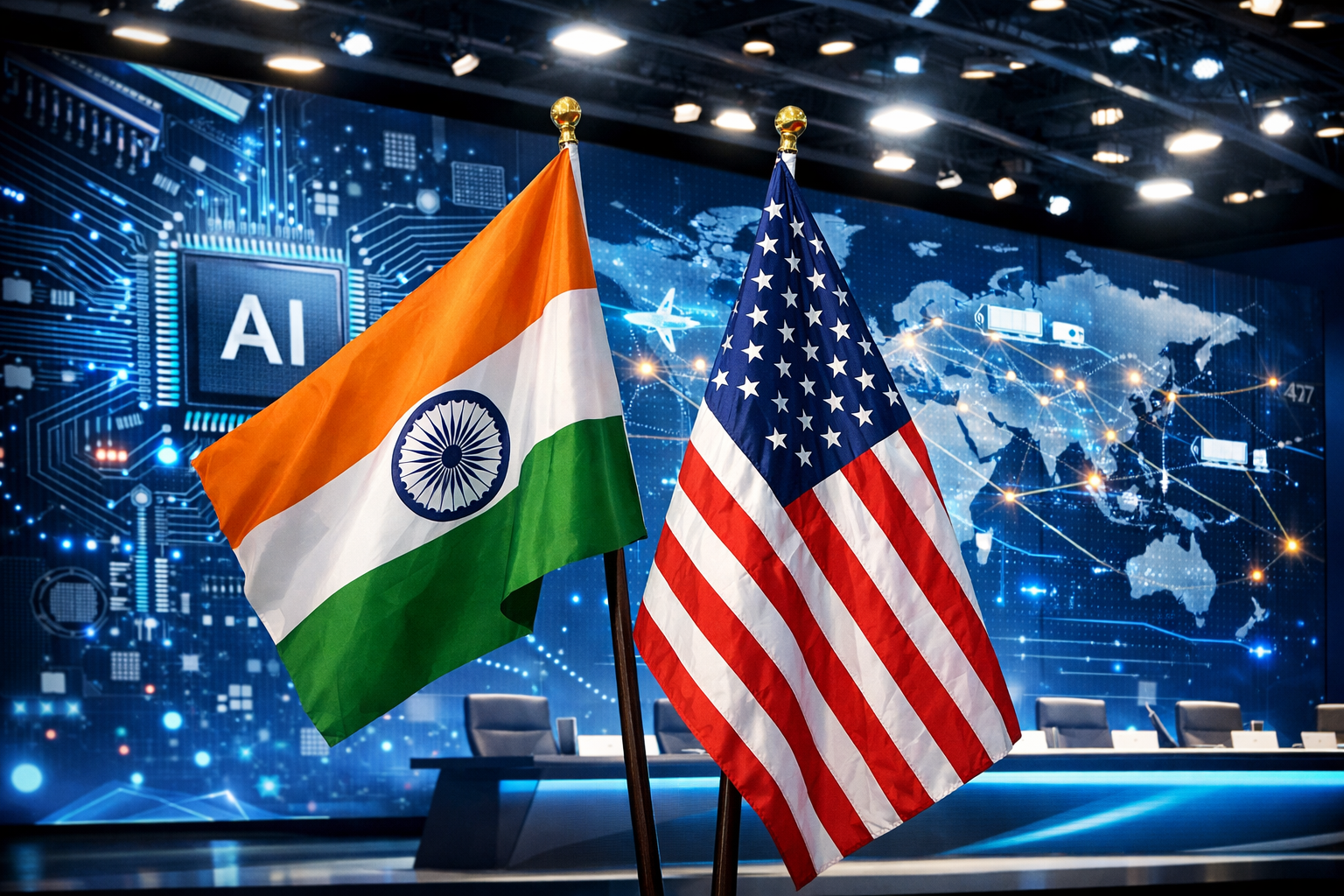
The announcement came during a major AI summit, where India’s inclusion was seen as a turning point. Initially, India was not part of the Pax Silica coalition. Its formal entry now reflects growing trust and strategic alignment between the two countries.
In this article, we break down what Pax Silica is, why it matters, and how it could reshape India’s technological future.
What Is Pax Silica?
Pax Silica is a U.S.-led international coalition focused on securing and strengthening global supply chains for critical technologies.
The term “Silica” refers to silicon, the foundational material used in semiconductor chips. These chips power everything from smartphones and laptops to defense systems and AI data centers.
The coalition aims to:
-
Build secure technology supply chains
-
Reduce dependence on unreliable partners
-
Promote collaboration among trusted nations
-
Advance innovation in AI and semiconductor technologies
By joining Pax Silica, India becomes part of a trusted network shaping the future of global technology.
Why Was India Initially Left Out?
When Pax Silica was first conceptualized, India was not included. At the time, the coalition focused on countries with advanced semiconductor manufacturing capabilities.
However, India’s rapid progress in:
-
Digital infrastructure
-
AI development
-
Electronics manufacturing
-
Semiconductor policy reforms
made it impossible to ignore.
India’s growing geopolitical importance and strong partnership with the United States also played a major role in its eventual inclusion.
India Joins Pax Silica at AI Summit
India officially joined Pax Silica during a high-profile AI summit. The timing was symbolic.
The summit focused on responsible AI development, secure hardware infrastructure, and collaboration in next-generation technologies.
India’s inclusion sent a strong message:
-
The U.S. sees India as a trusted technology partner.
-
India is ready to play a larger global role in advanced manufacturing.
-
The two nations are deepening their strategic cooperation.
This moment marks a new chapter in U.S.-India relations.
Core Focus Areas of Pax Silica
The Pax Silica agreement centers on three key areas:
-
AI hardware infrastructure
-
Semiconductor fabrication technologies
-
Critical minerals for advanced manufacturing
Let’s explore each in detail.
1. AI Hardware Infrastructure
Artificial Intelligence is no longer just software. It depends heavily on powerful hardware.
AI systems require:
-
High-performance chips
-
Advanced data centers
-
Energy-efficient processors
-
Secure computing environments
By joining Pax Silica, India can collaborate on building and securing AI hardware infrastructure.
This will help India:
-
Develop domestic AI capabilities
-
Reduce reliance on foreign chip imports
-
Strengthen national security
-
Attract global AI investments
India’s growing startup ecosystem and digital economy stand to benefit greatly.
2. Semiconductor Fabrication Technologies
Semiconductors are the backbone of modern technology.
From smartphones to defense systems, chips power everything. However, global semiconductor supply chains have faced disruptions in recent years.
Pax Silica aims to create a resilient and secure semiconductor ecosystem among trusted partners.
For India, this means:
-
Access to advanced chip fabrication technologies
-
Collaboration in research and development
-
Increased investment in semiconductor manufacturing
-
Faster growth of domestic chip fabrication plants
India has already launched major semiconductor incentive programs. Joining Pax Silica strengthens those efforts.
It positions India as a serious player in the global semiconductor race.
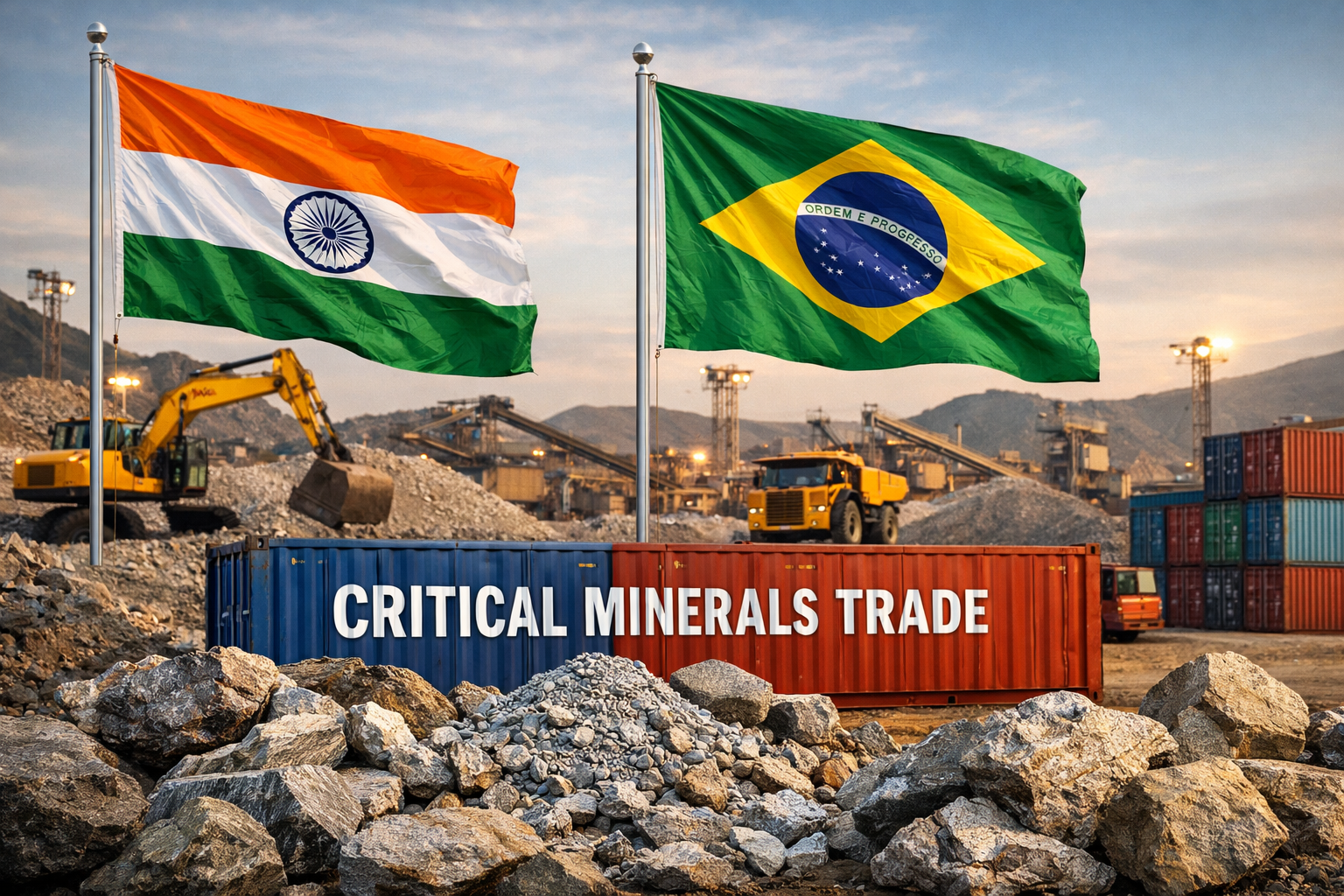
3. Critical Minerals and Supply Chain Security
Critical minerals are essential for advanced manufacturing.
These include:
-
Lithium
-
Cobalt
-
Rare earth elements
-
Silicon
These materials are used in:
-
Semiconductor production
-
Electric vehicles
-
Defense technologies
-
Renewable energy systems
Global competition for these minerals is intense.
Through Pax Silica, India can collaborate with trusted partners to:
-
Secure reliable access to critical minerals
-
Reduce dependence on unstable supply chains
-
Develop domestic processing capabilities
This enhances both economic and national security.
A Secure and Resilient Technology Supply Chain
One of the main goals of Pax Silica is to build a secure and resilient technology supply chain.
Recent global events exposed vulnerabilities in supply chains. Chip shortages disrupted industries worldwide.
By working together, Pax Silica members aim to:
-
Diversify production
-
Strengthen supply chain transparency
-
Reduce geopolitical risks
-
Ensure continuity in times of crisis
India’s inclusion adds depth and scale to this strategy.
As one of the world’s fastest-growing economies, India brings:
-
A large skilled workforce
-
Expanding manufacturing capacity
-
Strong digital infrastructure
-
Strategic geographic positioning
Strengthening U.S.-India Strategic Partnership
The Pax Silica agreement goes beyond technology.
It reflects deepening trust between India and the United States.
Over the past decade, both countries have strengthened ties in:
-
Defense cooperation
-
Trade and investment
-
Digital economy
-
Indo-Pacific security
India joining a U.S.-led technology coalition signals alignment on strategic priorities.
It shows that technology and security are now closely linked in global politics.
What This Means for India’s Tech Future
India’s participation in Pax Silica could accelerate its rise as a global technology powerhouse.
Here’s how:
1. Boost to Semiconductor Industry
India has been pushing to become a global chip manufacturing hub.
Access to advanced fabrication technologies and partnerships will:
-
Attract foreign investment
-
Improve domestic manufacturing capabilities
-
Create high-skilled jobs
2. Growth in AI and Deep Tech
Collaboration in AI hardware infrastructure will help India build stronger AI ecosystems.
This benefits:
-
Startups
-
Research institutions
-
Defense innovation
-
Smart manufacturing
3. Enhanced National Security
Secure technology supply chains reduce vulnerability to external shocks.
For a country like India, this is critical in:
-
Defense technology
-
Cybersecurity
-
Space research
4. Increased Global Influence
By joining Pax Silica, India becomes part of a select group shaping the future of advanced technologies.
This increases India’s diplomatic and economic influence.
Challenges Ahead
While the agreement is promising, challenges remain.
India must:
-
Develop strong domestic semiconductor ecosystems
-
Invest heavily in research and development
-
Improve infrastructure and logistics
-
Streamline regulatory processes
Partnership alone is not enough.
Implementation will determine long-term success.
Why Pax Silica Matters Globally
Pax Silica represents a shift in how nations approach technology.
Instead of purely globalized supply chains, countries are now prioritizing:
-
Trusted partnerships
-
Secure production networks
-
Strategic cooperation
India’s inclusion reflects its growing role in this new global order.
The agreement also highlights how AI, semiconductors, and minerals are now central to geopolitical strategy.
Technology is no longer just economic—it is strategic.
Conclusion
India signing the agreement to join the U.S.-led coalition Pax Silica is a historic development.
It marks a turning point in U.S.-India relations and strengthens cooperation in critical technologies like:
-
Semiconductors
-
Artificial Intelligence
-
Critical minerals
The agreement aims to build a secure and resilient technology supply chain among trusted partners.
For India, this means:
-
Faster technological growth
-
Greater strategic influence
-
Stronger national security
-
Deeper integration into global tech networks
As the world enters a new era defined by advanced manufacturing and AI-driven innovation, India’s role in Pax Silica could shape its future for decades to come.
The move signals one clear message:
India is ready to lead in the next generation of global technology.