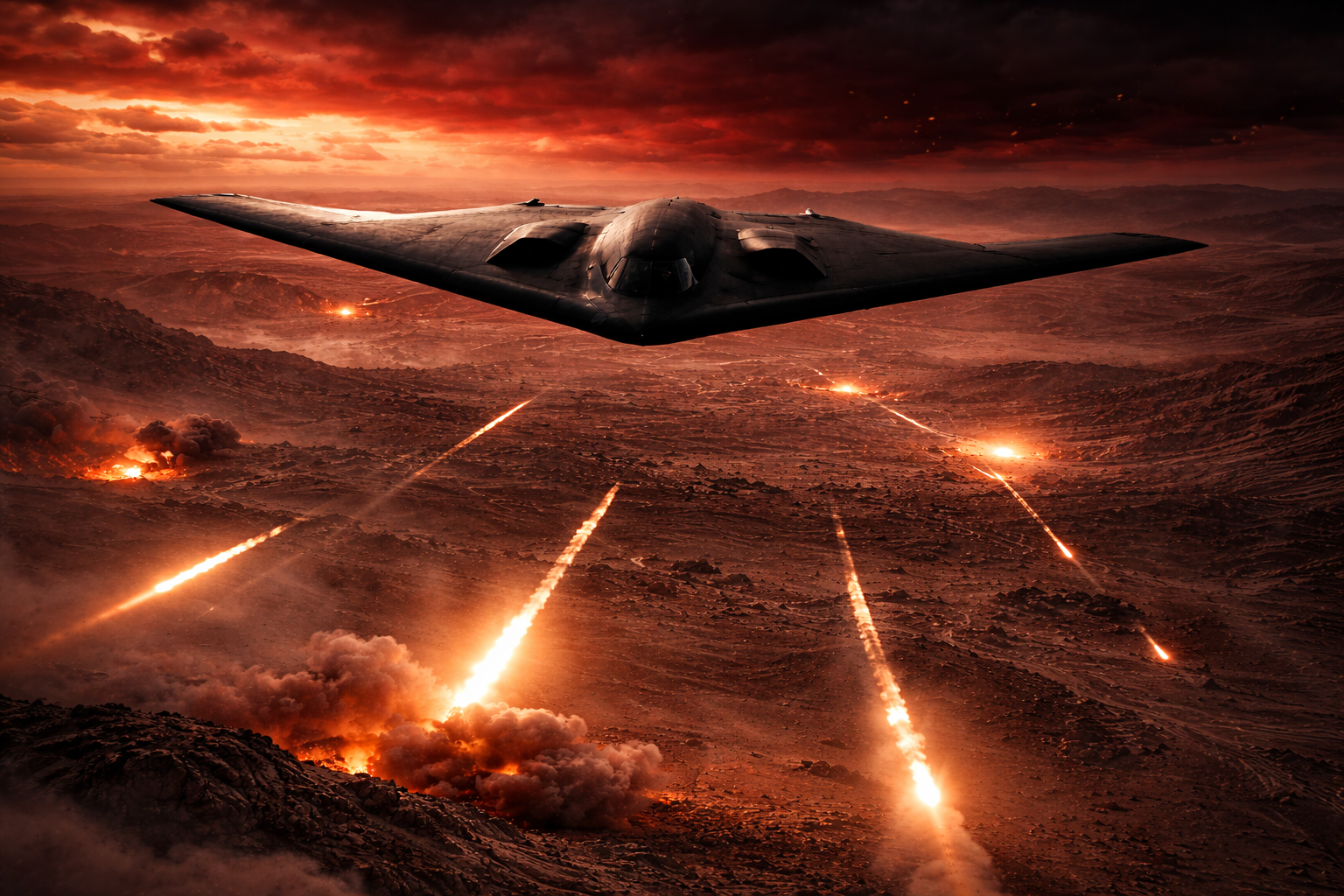
The US-Iran standoff has taken a sharp and alarming turn. What began as a calculated pressure campaign has now evolved into something far more dangerous — a conflict that military analysts are calling a new and unpredictable phase.
President Trump’s administration is no longer holding back. America’s most lethal missiles are being readied, and the strategy on the ground is shifting fast.
“This is no longer a warning shot. The US is preparing to fight — and fight hard.”
From Pressure Campaign to Full-Scale Conflict
 For months, Washington assumed that economic pressure and targeted strikes would be enough to bring Iran to its knees. That calculation is now being challenged.
Iran has not backed down. Instead, it has retaliated — forcing the US to rethink its entire approach. The easy victory scenario that some in the Trump administration hoped for is quickly fading.
What was once a diplomatic chess game has turned into a high-stakes military confrontation, with both sides escalating at a pace that is alarming even seasoned geopolitical observers.
Trump Deploys America’s Most Lethal Missiles
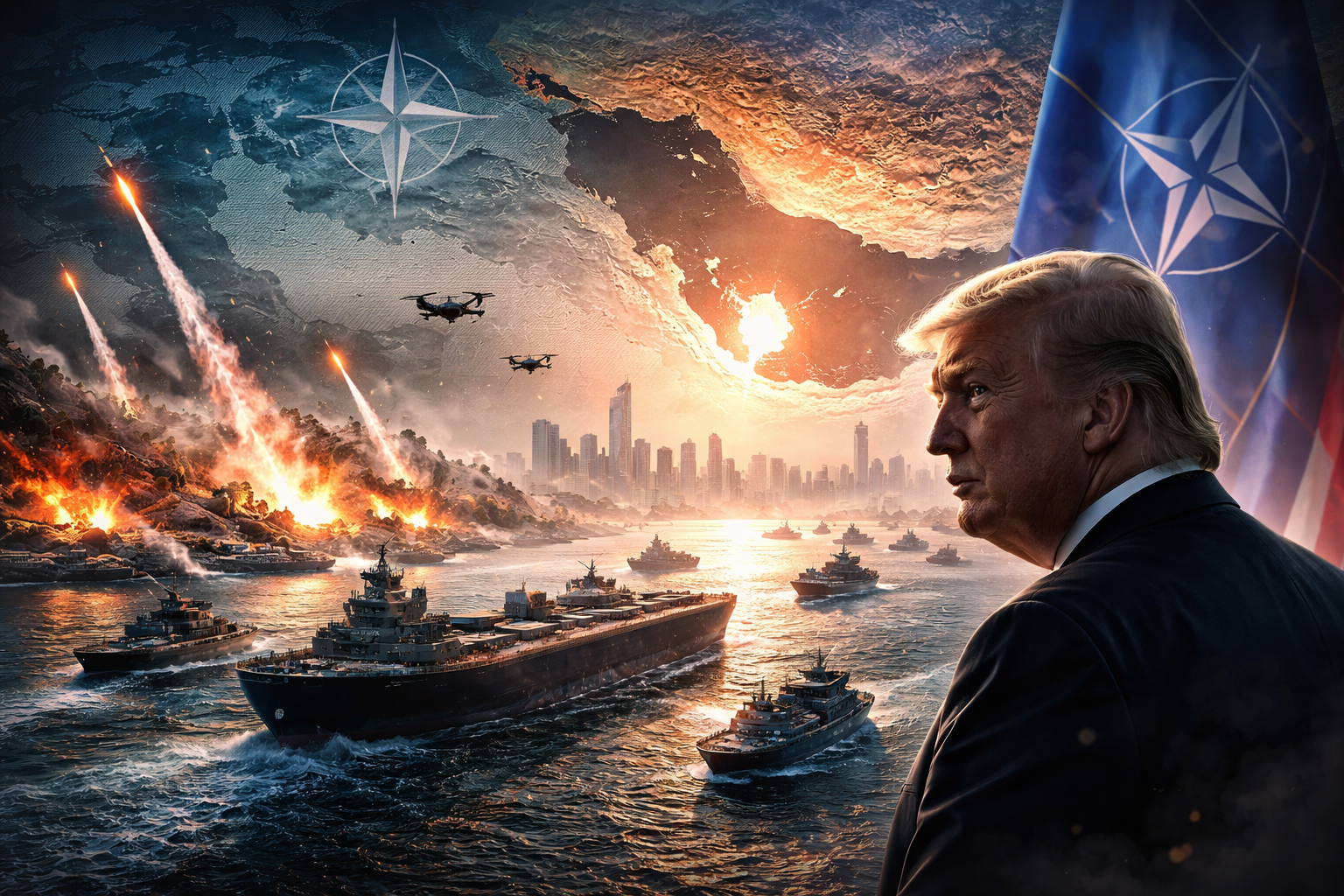
The clearest sign of the escalation? The United States is now readying its most powerful and lethal missile systems for potential deployment against Iran.
This move signals a dramatic shift in military posture. The US is no longer relying on conventional deterrence. The message being sent to Tehran is unambiguous:
- The gloves are off.
- All options are now on the table.
- Washington is prepared for a prolonged and intense military campaign.
Defence analysts note that the deployment of these advanced systems changes the entire risk calculus of the conflict — not just for Iran, but for the entire Middle East region.
Collapsing Iran’s Economic and Logistical Backbone
One of the most revealing developments in the current phase of the conflict is the destruction of Iran’s highest bridge — a piece of infrastructure critical to the country’s internal supply chain.
This was not a random act of war. It was a deliberate, strategic move designed to cripple Iran’s logistical network from the inside out.
“Cut the arteries, and the body collapses. That appears to be Washington’s new doctrine.”
The US strategy is now targeting Iran’s economic backbone — infrastructure, supply routes, and key nodes that keep the Iranian economy and military functioning.
This approach mirrors tactics used in past conflicts where air superiority was combined with precision economic disruption to bring adversaries to the negotiating table — or simply to grind them down.
Air Dominance: Stealth Bombers and Cruise Missiles
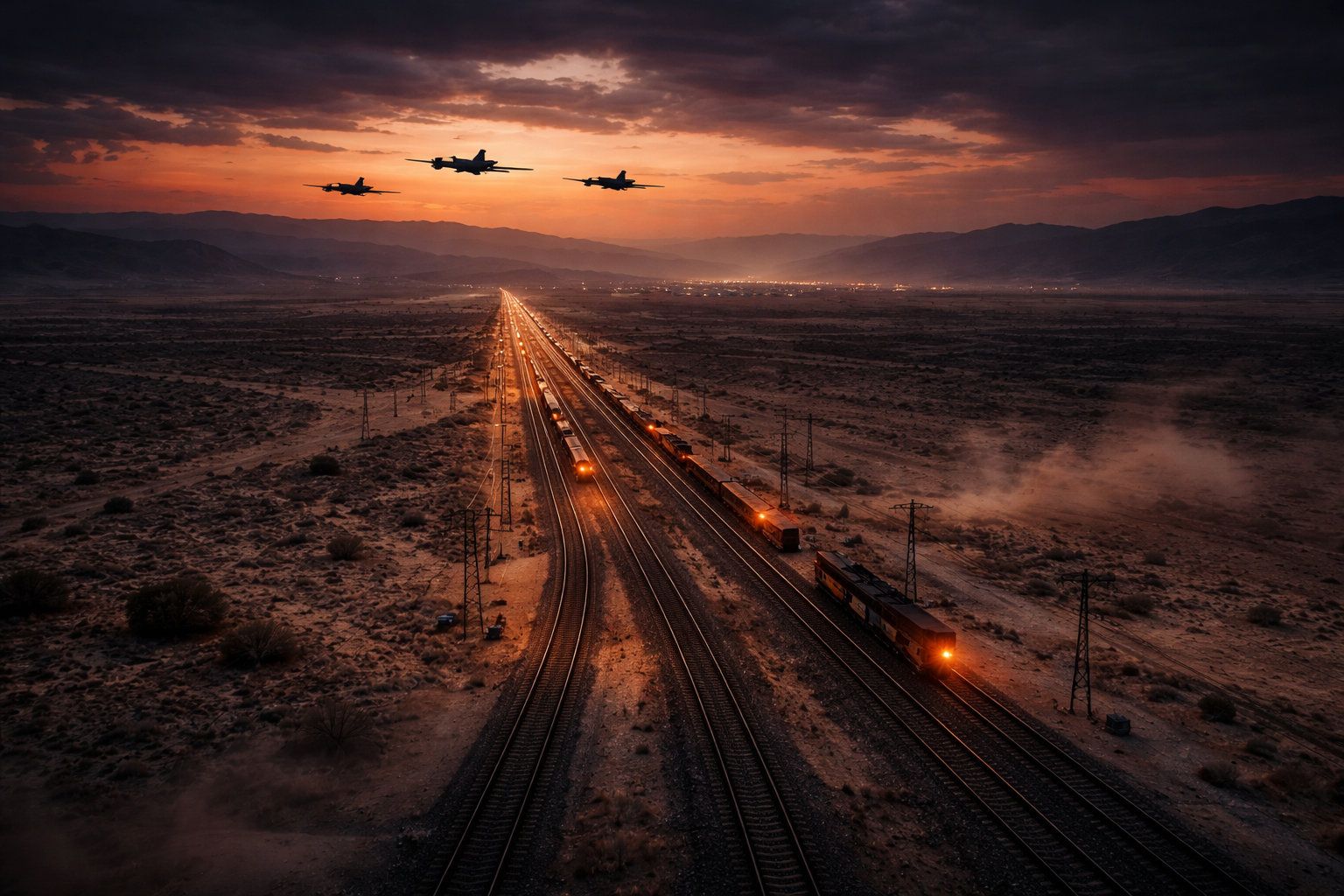
The US is also employing a sophisticated air dominance strategy. Stealth bombers and cruise missiles are at the heart of this approach — tools designed to operate deep inside enemy territory with minimal detection.
Here’s why this matters:
- Stealth bombers can bypass Iran’s air defence systems with relative ease.
- Cruise missiles offer precision targeting of high-value infrastructure and military assets.
- Combined, they create a near-impossible defence scenario for Tehran.
Iran’s air defence network, while formidable by regional standards, is struggling to keep pace with the technological edge that the US is bringing to this conflict.
The use of these assets is not just military — it is psychological. Every successful stealth strike reinforces the message that nowhere in Iran is truly safe.
Economic Warfare: Targeting Key Islands to Cripple Revenue
Beyond the battlefield, the US is waging a parallel war on Iran’s wallet.
Key Iranian islands — many of which serve as critical hubs for oil exports, smuggling networks, and black-market revenue — are now being specifically targeted as part of a broader economic warfare strategy.
Iran’s economy is already under immense pressure from years of sanctions. But this new phase takes things further:
- Disrupting oil flow from key island terminals hits Iran’s primary revenue source.
- Targeting logistics hubs cuts off alternative income streams built to bypass sanctions.
- The combined pressure is designed to make it economically impossible for Iran to sustain the conflict.
For a country that has survived on a war economy for decades, this kind of targeted financial strangulation represents one of the most potent threats to the regime’s stability.
What Does Iran’s Retaliation Look Like?
Iran has not been passive in the face of this pressure. Retaliation has come in multiple forms — proxy attacks across the region, drone strikes, and escalatory rhetoric designed to keep the US off balance.
But here is the uncomfortable truth for Tehran: every act of retaliation has so far been used by Washington as justification to escalate further. The US is using Iran’s responses to build political and military momentum for deeper strikes.
“Iran’s retaliation is feeding the very escalation it is trying to deter.”
This dangerous feedback loop is what makes the current phase of the conflict so unpredictable — and so potentially explosive.
What This Means for India and the Global Economy
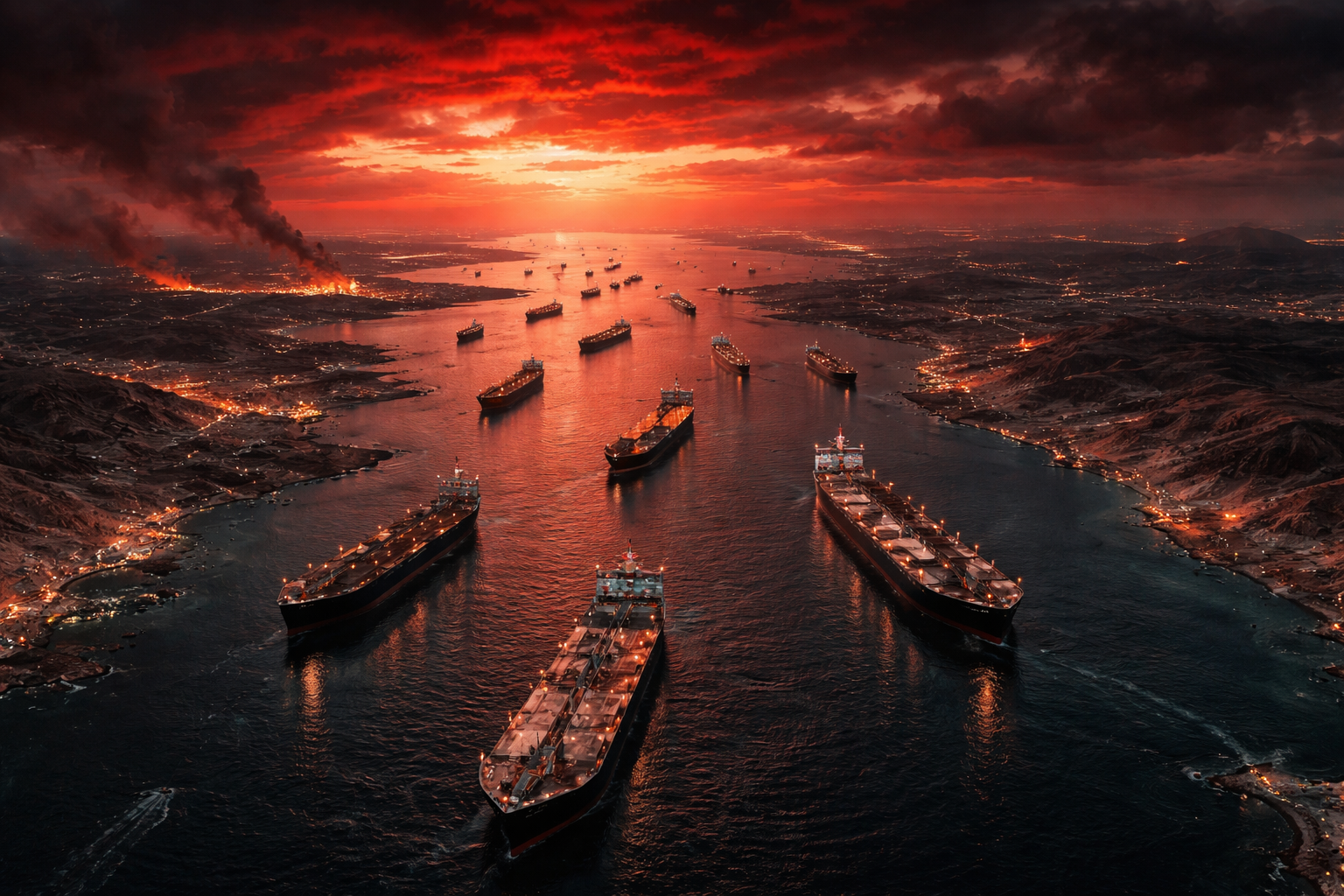
India, which depends heavily on Middle East trade routes and Iranian oil alternatives, is watching this conflict with deep concern. The Strait of Hormuz and surrounding chokepoints remain vulnerable — and any major escalation could send oil prices surging globally.
For Indian policymakers and businesses, the key risks include:
- Rising crude oil prices driving domestic inflation.
- Disruption of shipping lanes critical to Indian trade.
- Pressure on the Indian Rupee if global risk sentiment worsens.
The Reserve Bank of India is likely monitoring developments closely, with contingency plans already being reviewed.
Final Word: A Conflict Without a Clear Exit
The US-Iran conflict is entering its most dangerous chapter yet. With America’s most lethal missiles now in play, Iran’s infrastructure being systematically targeted, and economic warfare intensifying, the path to de-escalation is getting narrower by the day.
President Trump’s strategy appears to be one of maximum pressure across every domain — military, economic, logistical — simultaneously. Whether Iran will fracture under this pressure or find ways to escalate further remains the defining question of the coming weeks.
One thing is clear: the world can no longer afford to treat this as a distant regional dispute. The consequences — for oil markets, global trade, and regional stability — are too significant to ignore.
“The most dangerous phase of the US-Iran conflict has just begun. The world is watching.”